





































































































Email Automation: A Step-by-Step Guide to Save Time and Increase Conversions:

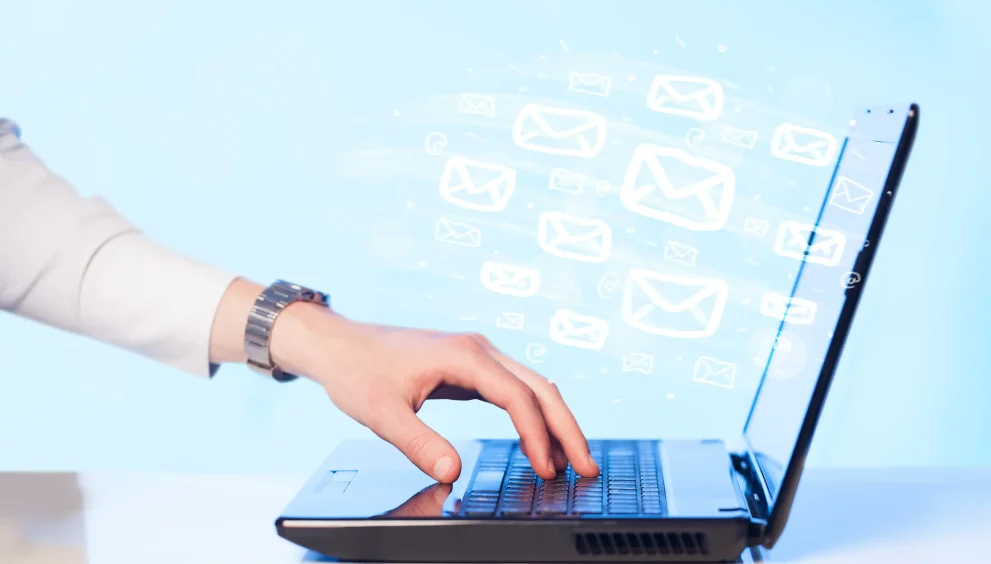
Email automation is one of the most effective tools for saving time, enhancing efficiency, and driving conversions. By automating repetitive tasks and sending personalized emails to your subscribers, you can increase engagement, improve customer experience, and ultimately boost your sales. In this step-by-step guide, we’ll walk you through how to set up email automation to streamline your marketing efforts and achieve better results.
1. Choose the Right Email Marketing Platform:
The first step in implementing email automation is selecting the right email marketing platform. There are many tools available, each with varying features and capabilities. Some of the most popular email marketing platforms that offer robust automation features include:
-
Mailchimp.
-
HubSpot.
-
ActiveCampaign.
-
ConvertKit.
-
Sendinblue.
When choosing a platform, consider factors such as:
-
Ease of use and automation capabilities.
-
Integration with your CRM and other marketing tools.
-
Personalization options.
-
Reporting and analytics features.
-
Pricing and scalability.
2. Segment Your Email List:
Effective email automation starts with segmentation. Segmentation allows you to send more targeted and personalized messages to different groups of subscribers based on their behavior, preferences, or demographic information. Common ways to segment your email list include:
-
Demographics: Age, gender, location, etc.
-
Purchase history: Customers who have made past purchases or abandoned their cart.
-
Engagement levels: Active subscribers versus inactive ones.
-
Behavioral data: Pages viewed, links clicked, or interactions with previous emails.
By segmenting your list, you ensure that each subscriber receives content that is relevant and valuable to them, improving the chances of conversion.
3. Create Automated Workflows:
An automated workflow is a series of triggered emails that are sent based on specific actions or conditions. Some common types of automated workflows include:
-
Welcome Series: Send a sequence of welcome emails to new subscribers, introducing them to your brand and offering a special discount or incentive.
-
Abandoned Cart Emails: Automatically remind customers who added products to their cart but didn’t complete the purchase. Include product details, images, and an incentive (e.g., discount) to encourage them to finish their purchase.
-
Post-Purchase Follow-Up: After a customer makes a purchase, send a thank-you email along with product recommendations or a request for feedback or a review.
-
Re-engagement Campaigns: Target inactive subscribers with a series of emails designed to bring them back, offering special promotions or asking them to update their preferences.
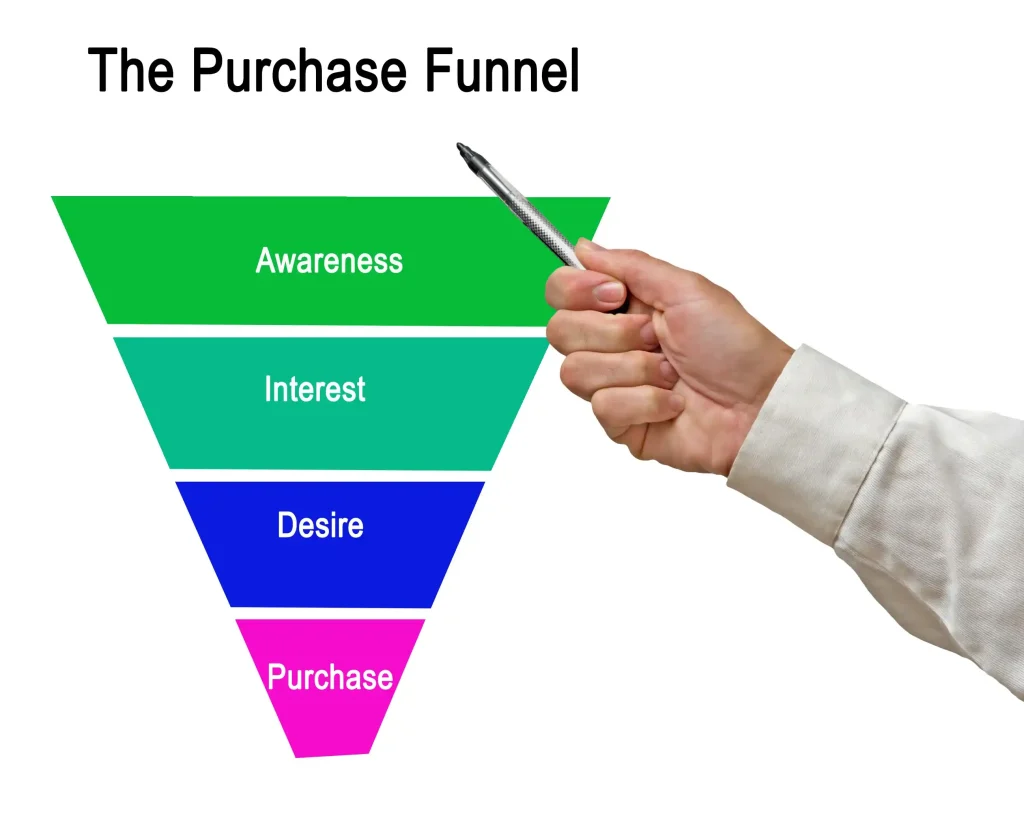
Map out the entire customer journey and design workflows that align with different stages of the funnel. Automation ensures that each subscriber receives the right message at the right time.
4. Personalize Your Automated Emails:
Personalization is key to effective email automation. By using data such as the subscriber’s name, location, browsing behavior, or past purchases, you can create highly relevant and personalized emails. Personalization increases engagement and helps foster a stronger connection with your audience.
For example:
-
Address the recipient by their first name in the subject line or email body.
-
Recommend products based on their previous purchases or browsing history.
-
Send birthday or anniversary emails with personalized offers.
Many email marketing platforms allow you to include dynamic content that adapts to the recipient’s information, ensuring each email feels tailored to them.
5. Set Triggers and Timing:
The success of your automated email campaigns depends on the triggers and timing you set for sending emails. A trigger is an action or event that prompts the system to send an email. Some common triggers include:
-
Form submissions: Automatically send a confirmation or thank-you email after someone fills out a form.
-
Behavior-based triggers: Send an email when a subscriber clicks on a link or opens an email.
-
Time-based triggers: Send emails based on a specific date or time (e.g., a reminder email before a special offer expires).
Timing is also crucial. For example, sending a cart abandonment email within an hour of abandonment has a much higher chance of conversion than waiting a day or two. Test different timing strategies to find the optimal send times for your audience.
6. Monitor Performance and Optimize:
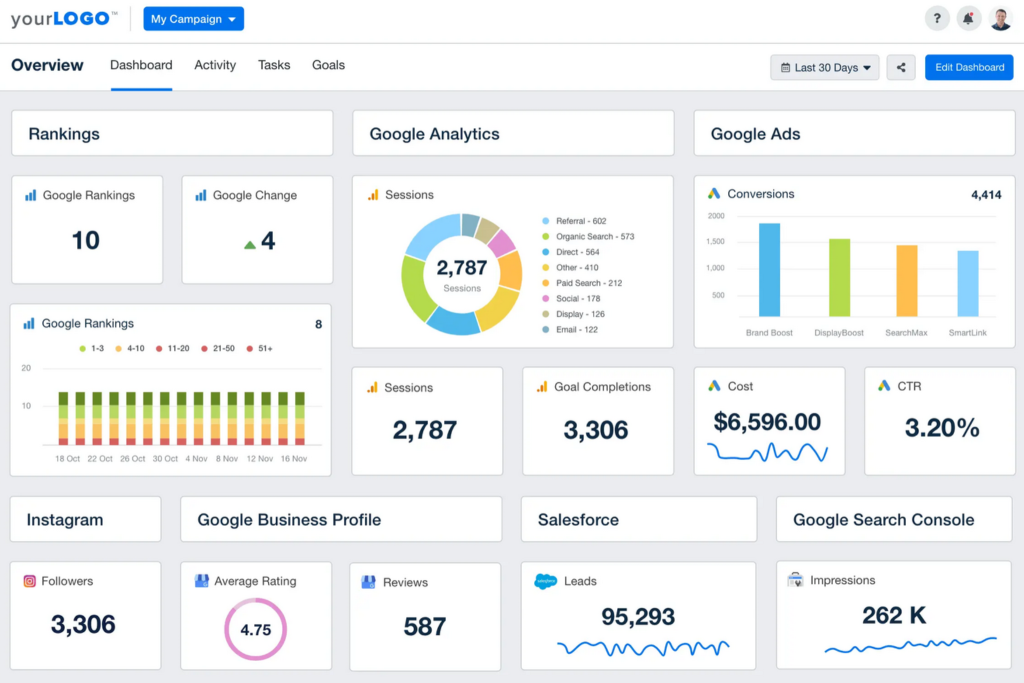
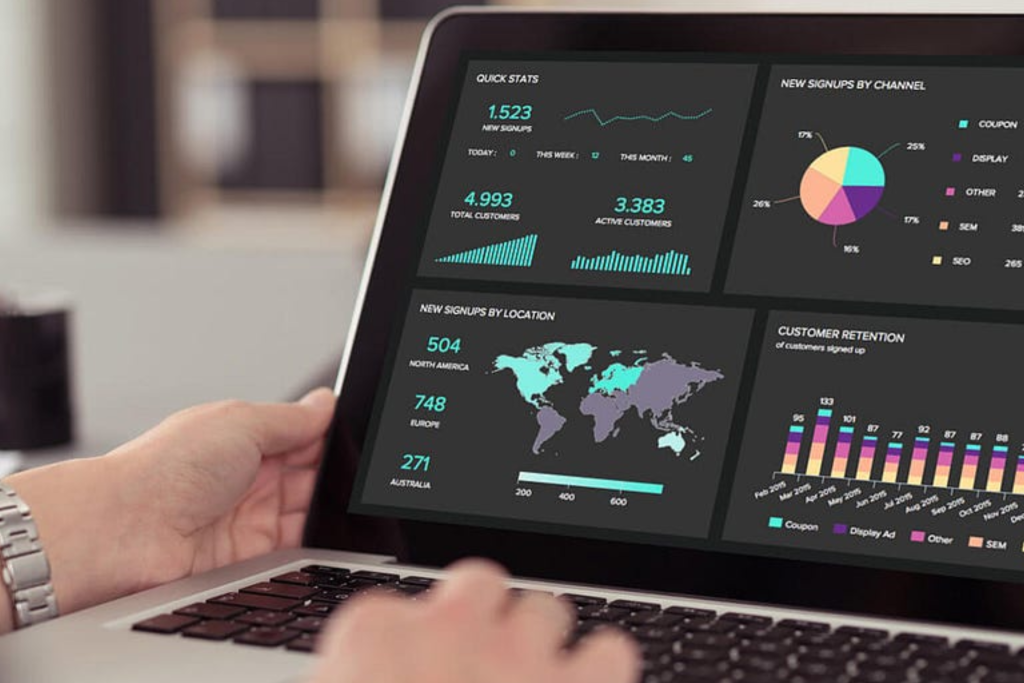
Once your email automation is set up, it’s important to monitor performance and make adjustments as needed. Keep track of key metrics such as:
-
Open rates: Indicates how many people are opening your emails.
-
Click-through rates (CTR): Shows how many people clicked on links within your emails.
-
Conversion rates: Measures how many people took the desired action (e.g., made a purchase).
-
Unsubscribes: Keep an eye on how many people unsubscribe after receiving automated emails.
Use these metrics to identify areas of improvement. For example, if your open rates are low, try optimizing your subject lines. If your CTR is low, refine your email content and CTAs.
7. Test and Experiment:
Email automation isn’t a one-size-fits-all solution. To maximize results, continuously test and optimize your workflows. Try A/B testing different subject lines, copy, or sending times to see what resonates best with your audience. Experimenting with different automation strategies will help you refine your approach and improve your campaigns over time.
Conclusion:
Email automation is a powerful way to save time, improve efficiency, and drive conversions. By choosing the right email platform, segmenting your audience, creating personalized workflows, and testing your campaigns, you can create a seamless experience that nurtures leads and increases customer engagement. With the right strategy, email automation can significantly boost your marketing efforts and lead to long-term success.