








































































































































Top Social Media Metrics You Should Track for Success:
-
Admin_Techhub / 4 years
- June 21, 2022
- 0
- 5 min read


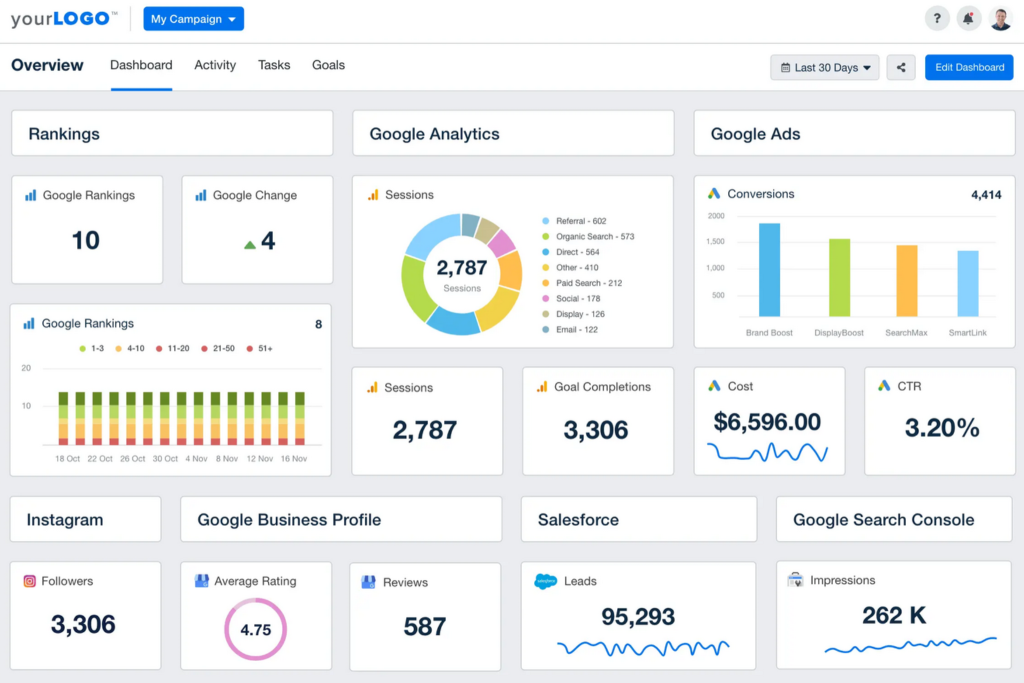
Social media has become an essential tool for businesses to engage with their audience, build brand awareness, and drive conversions. However, simply posting content on social platforms isn’t enough to guarantee success. To truly understand the effectiveness of your efforts, you need to track key performance metrics. Monitoring social media metrics helps you gauge your performance, identify trends, and optimize your strategy. In this blog, we’ll explore the top social media metrics you should track for success.
1. Engagement Rate:
Engagement rate is one of the most important metrics for measuring how your audience is interacting with your content. It calculates the level of interaction (likes, comments, shares, etc.) relative to the number of followers you have. The engagement rate gives you an indication of how well your content resonates with your audience.
A higher engagement rate suggests that your content is resonating with your audience, while a low rate may indicate that you need to adjust your content strategy. Engagement helps foster a deeper relationship with your audience, making it a vital metric to track.
2. Reach and Impressions:
Reach and impressions are closely related but distinct metrics that help you understand the visibility of your content.
-
Reach refers to the number of unique users who have seen your content. It provides an overview of how far your content has spread across social media platforms.
-
Impressions refer to the total number of times your content has been displayed, regardless of whether it was clicked or interacted with.
Both reach and impressions help you assess the effectiveness of your content in attracting new audiences. While reach tells you how many people have seen your posts, impressions reveal how many times your content has been displayed in front of users. Tracking both can help you understand the overall visibility of your brand.
3. Click-Through Rate (CTR):
Click-through rate (CTR) measures the percentage of users who clicked on a link within your post or ad, such as a link to your website or a product page. It’s a key metric for understanding the effectiveness of your calls to action (CTAs) and the ability of your content to drive traffic.
A higher CTR suggests that your content is compelling and that users are interested in learning more about your products, services, or brand. If your CTR is low, you may need to optimize your ad copy or improve the targeting of your campaigns.
4. Conversion Rate:
Conversion rate is the percentage of social media users who take a specific action after clicking on your content. This could be anything from making a purchase to signing up for your newsletter. Unlike CTR, which focuses on clicks, conversion rate measures the final outcome of those clicks—how many of them result in the desired action.
This metric is essential for measuring the effectiveness of your social media efforts in terms of business goals. Tracking conversion rates will help you determine how well your social media strategy is driving actual business outcomes.
5. Follower Growth Rate:
Follower growth rate measures how quickly your social media following is increasing over a specific period of time. It’s a good indicator of how well your brand is attracting new people and growing its audience.
A steady increase in followers indicates that your content is resonating with new audiences and that your brand is gaining visibility. Conversely, a stagnant or decreasing growth rate may suggest that you need to refresh your content or adjust your targeting to attract more followers.
6. Social Share of Voice (SOV):
Social share of voice (SOV) measures how much conversation your brand is generating compared to your competitors. It gives you a sense of your brand’s presence in your industry or niche relative to others. Tracking SOV can help you understand how your brand is performing in the social landscape and identify areas where you can improve your visibility.
Tracking SOV helps you understand how much of the social conversation is focused on your brand, allowing you to identify trends and measure the impact of your campaigns compared to your competitors.
7. Customer Satisfaction (CSAT) and Net Promoter Score (NPS):
Customer satisfaction (CSAT) and net promoter score (NPS) are essential for measuring the emotional response of your audience to your brand. CSAT measures how satisfied customers are with your products or services, while NPS gauges customer loyalty by asking how likely they are to recommend your brand to others.
-
CSAT: Often measured through surveys or polls after a customer interacts with your brand.
-
NPS: Measured by asking customers how likely they are to recommend your brand on a scale of 1 to 10.
Both metrics provide insight into customer loyalty and the overall perception of your brand, helping you improve your products, services, and overall customer experience.
8. Video Views and Engagement:
For brands that use video content, tracking video views and engagement metrics is critical. Video is one of the most engaging forms of content on social media, and understanding how users interact with your videos can provide valuable insights.
Key video metrics to track include:
-
Video views: The number of times your video has been watched.
-
Watch time: The total amount of time users have spent watching your videos.
-
Engagement rate on video content: The number of likes, comments, shares, and interactions per video.
By tracking video metrics, you can understand how well your video content resonates with your audience and optimize it for better performance.
Conclusion:
Tracking the right social media metrics is crucial for assessing the effectiveness of your campaigns and driving continuous improvement. By monitoring engagement rate, reach, CTR, conversion rate, and other key metrics, you can optimize your social media strategy, engage your audience more effectively, and ultimately achieve your business goals.