















































































































































Step-by-Step Guide to Running Successful A/B Tests for Digital Marketing:
-
Admin_Techhub / 8 months
- December 18, 2025
- 0
- 2 min read


Running successful A/B tests requires a structured approach. Begin with a clear objective: what metric are you aiming to improve? Examples include click-through rates, conversions, or email open rates. A clear goal keeps the test focused and meaningful.
Next, identify the element to test—a headline, CTA, landing page layout, or email design. Only test one variable at a time for accurate results. Hypothesize how the change might affect user behavior and what success looks like.
Set up the experiment using tools like Optimizely, VWO, or Google Optimize for websites, or Mailchimp and HubSpot for email campaigns. Split your audience evenly between the original version (control) and the variation. Ensure the sample size is sufficient for statistical significance.
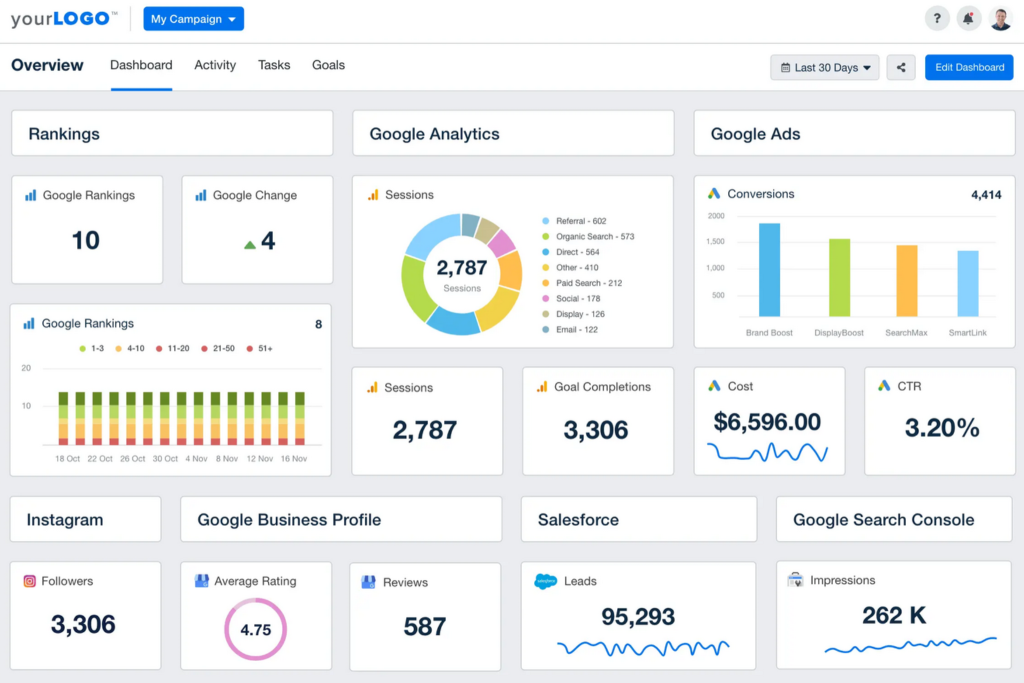
Run the test for a set period, avoiding early conclusions. Monitor engagement metrics, conversion rates, and other relevant KPIs. Use analytics platforms like Google Analytics or Mixpanel to track long-term effects beyond the test period.
Once the test concludes, analyze the data carefully. Determine which variation performed better, considering both immediate results and long-term user behavior. Implement the winning version and document the insights to inform future tests.
A/B testing should be iterative. After one test, identify the next element to optimize. Continuous testing allows marketers to refine campaigns gradually, improving performance over time. By following a step-by-step methodology, A/B testing becomes a powerful, repeatable strategy for increasing conversions, enhancing UX, and maximizing marketing ROI.