















































































































































The Power of User Behavior Analysis in Enhancing Customer Experience:
-
Admin_Techhub / 8 months
- December 18, 2025
- 0
- 2 min read


Customer experience is shaped by how users interact with your brand at every touchpoint. User behavior analysis provides the insights needed to design experiences that are intuitive, efficient, and satisfying.
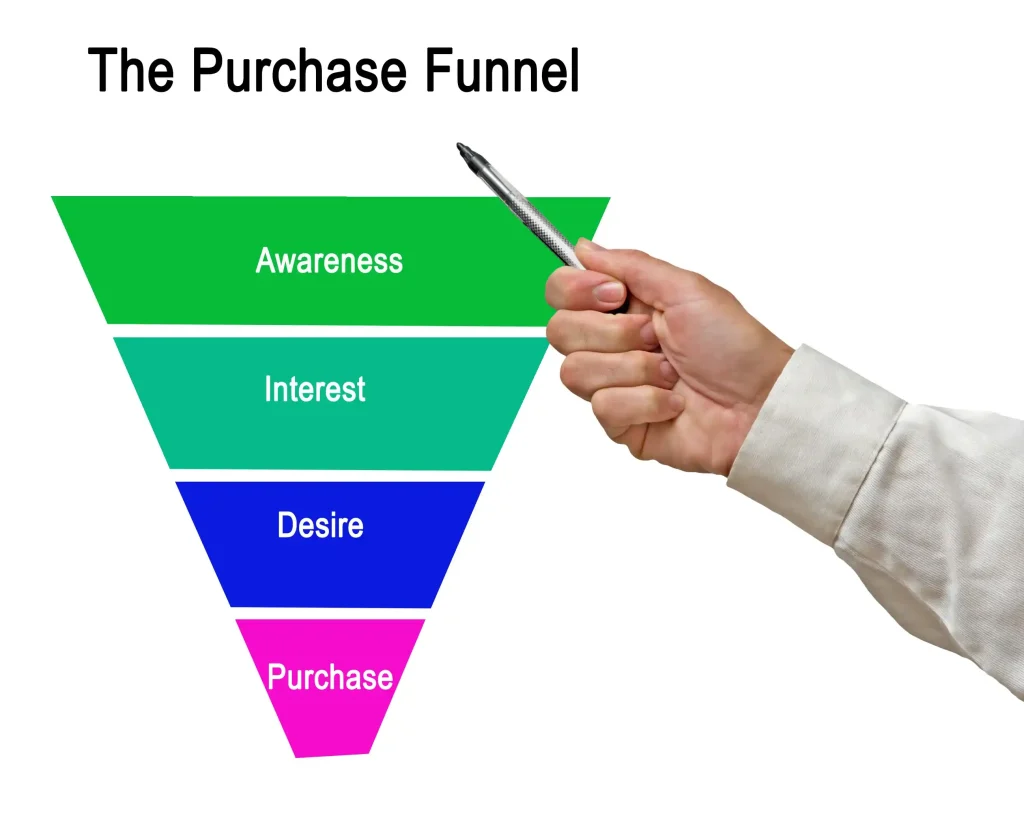
By analyzing navigation paths, interaction patterns, and drop-off points, businesses can identify friction in the customer journey. Tools like Google Analytics 4, Hotjar, and Microsoft Clarity reveal where users struggle and what prevents them from converting.
Behavior analysis also helps improve consistency across devices. Understanding how mobile and desktop users behave differently allows marketers to optimize layouts, content placement, and loading speed accordingly. This ensures a seamless experience regardless of platform.
Feedback loops strengthen behavior analysis. Combine quantitative data with qualitative inputs such as surveys and feedback forms. This gives context to user actions and uncovers motivations behind behavior. Integrating this data into CRM systems ensures customer experience improvements align with sales and support teams.
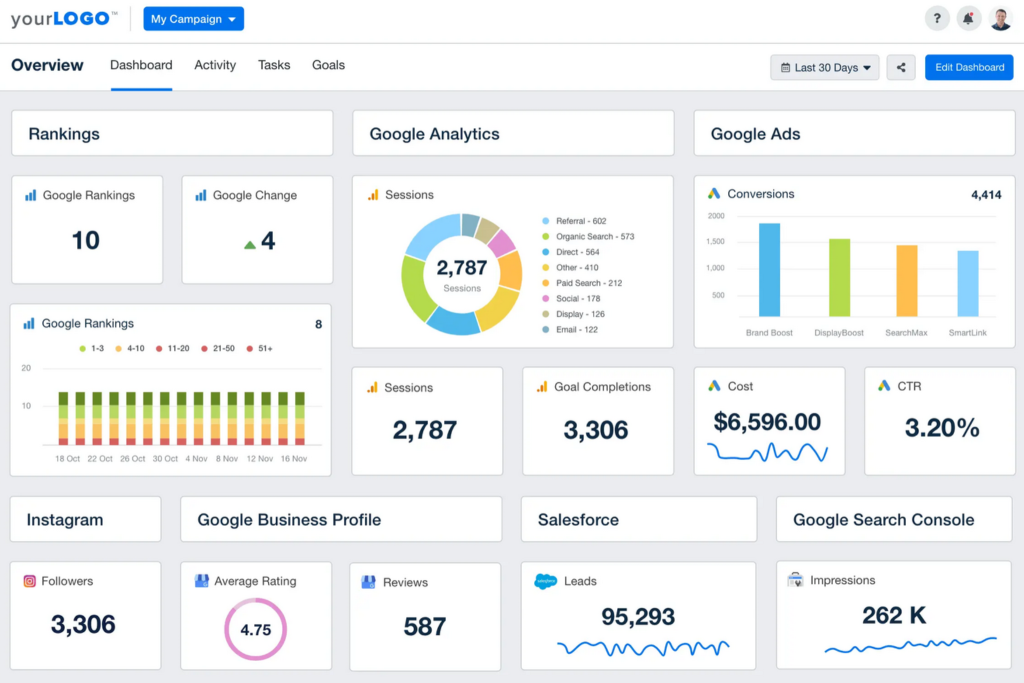
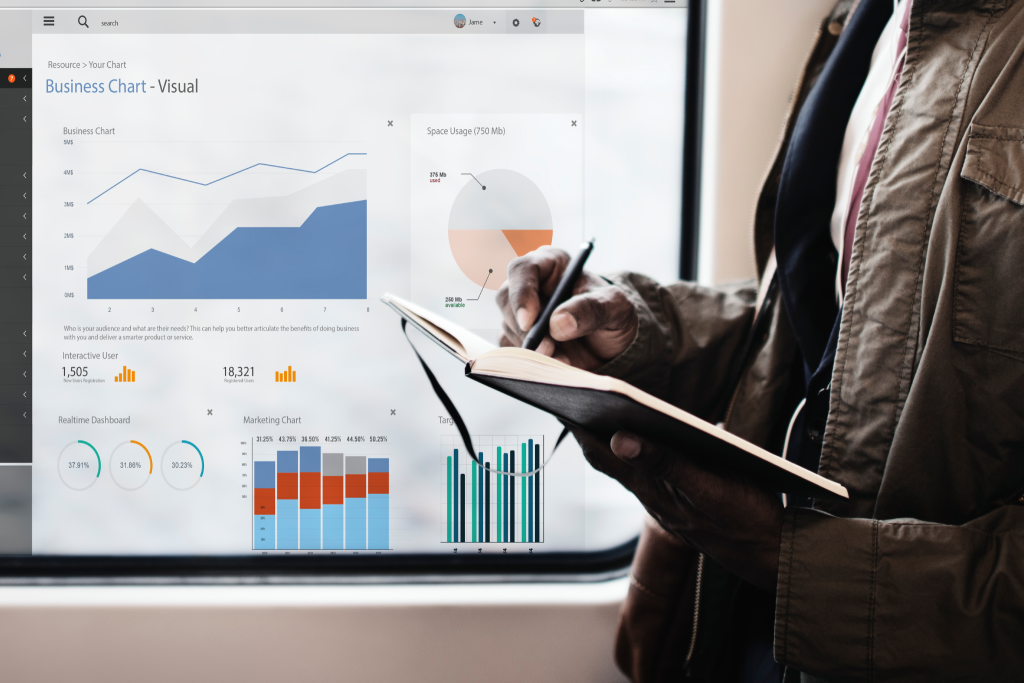
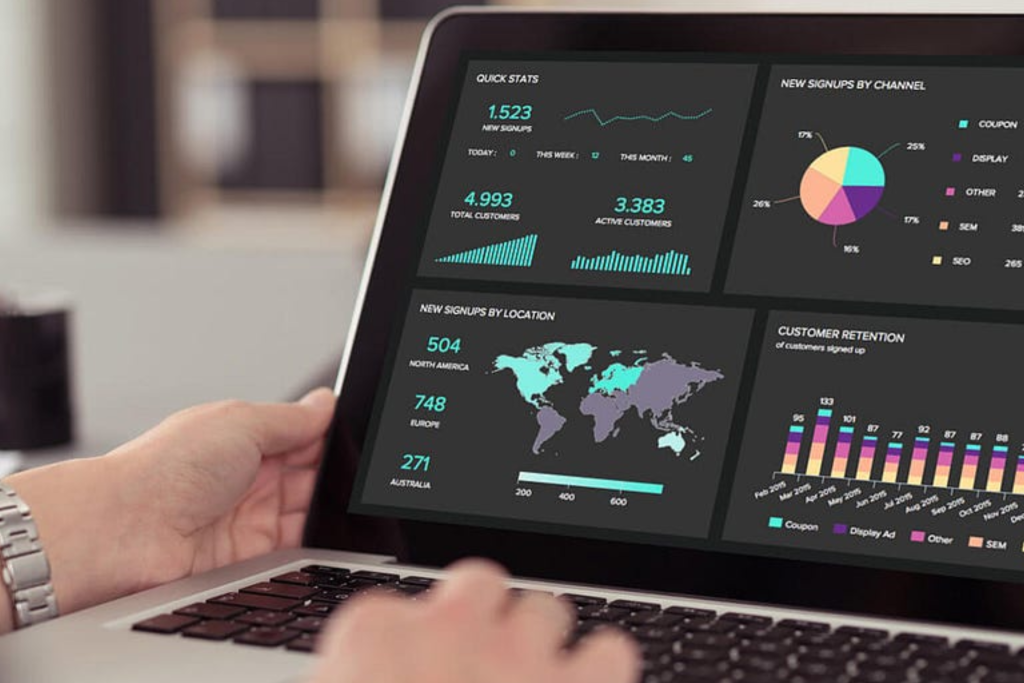
Real-time dashboards and automation enhance responsiveness. With tools like Looker Studio and Power BI, teams can monitor experience-related metrics continuously. Automation ensures issues are identified early and addressed proactively.
Ultimately, user behavior analysis transforms customer experience from reactive to proactive. By understanding how users think and act, businesses can deliver smoother journeys, stronger engagement, and long-term customer loyalty.