
















































































































































The Importance of Reporting in Data-Driven Marketing: Best Practices:
-
Admin_Techhub / 8 months
- December 18, 2025
- 0
- 1 min read


Reporting is the foundation of data-driven marketing. Without consistent reporting, insights are missed, performance is unclear, and decisions rely on assumptions rather than evidence.
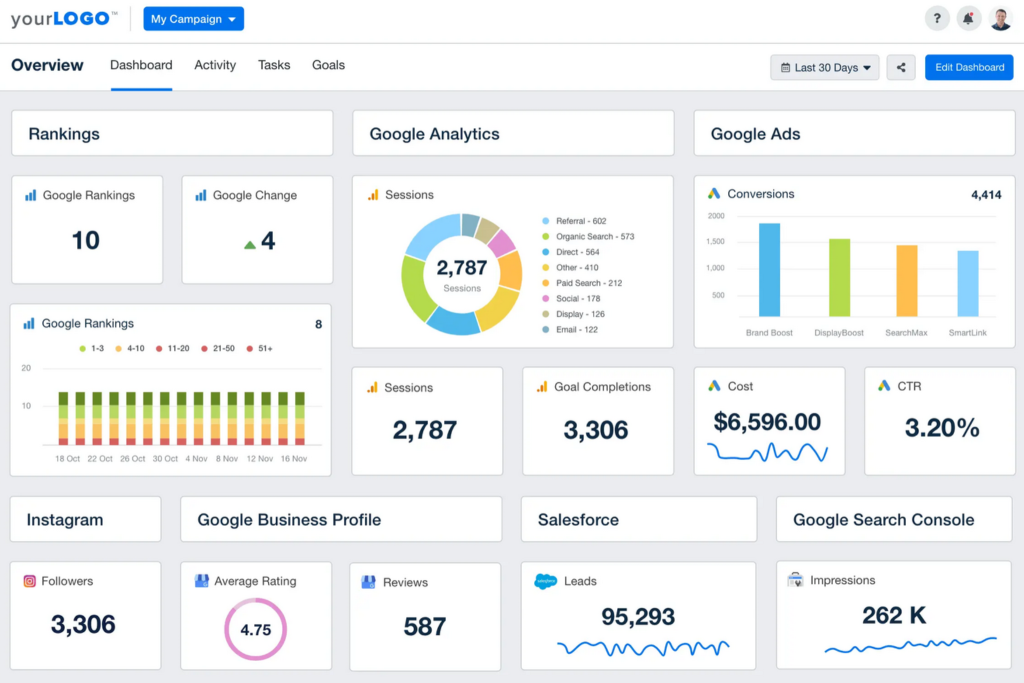
The first best practice is consistency. Reports should follow a standardized structure and schedule—weekly, monthly, or campaign-based. This makes it easier to track trends and measure progress over time. Tools like Google Analytics, HubSpot, and Looker Studio help automate recurring reports.
Focus on insights, not just numbers. A good report explains what happened, why it happened, and what actions should be taken next. Highlight key trends, anomalies, and performance changes rather than listing every metric available.
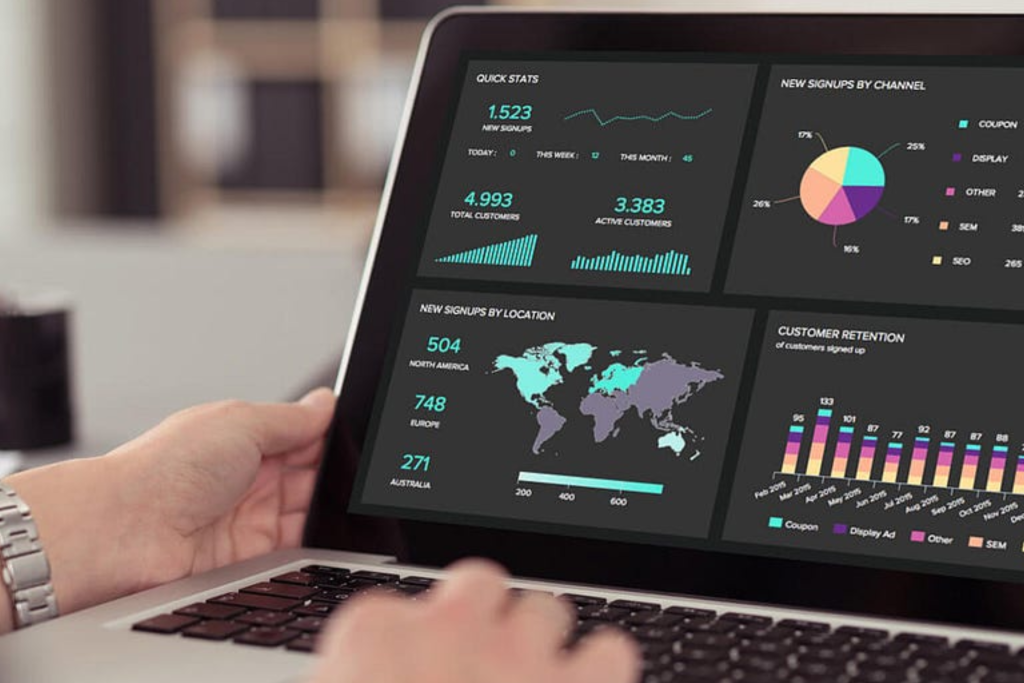
Segmentation improves clarity. Break down data by channel, audience, device, or campaign to uncover deeper insights. This helps identify what’s driving results and where improvements are needed.
Automation enhances efficiency. Use tools like Zapier, Supermetrics, or Funnel.io to pull data from multiple platforms into a single report. This reduces manual work and minimizes errors.
Finally, tailor reports to the audience. Executives need high-level KPIs and ROI, while marketing teams require detailed performance metrics. Effective reporting aligns stakeholders, supports strategic decisions, and ensures marketing efforts remain accountable and results-focused.