
















































































































































A/B Testing 101: How to Optimize Your Marketing Campaigns for Maximum Conversions:


A/B testing is the cornerstone of data-driven marketing. It allows you to compare two versions of a webpage, email, or ad to see which performs better. Instead of guessing, you make decisions backed by actual user behavior, boosting conversions and ROI.
Start by defining the goal. Are you trying to increase click-through rates, form submissions, or purchases? Once your objective is clear, identify the variable to test. This could be a headline, call-to-action button, layout, or image. Keep tests simple: one variable per test ensures clear, actionable results.
Tools like Optimizely, VWO, and Google Optimize make setting up tests easy. These platforms allow you to split traffic evenly between variations and track results in real time. For email campaigns, tools like Mailchimp or HubSpot can run subject line and content tests seamlessly.
Analyze the results using statistically significant methods. A result that looks better by a few percentage points might not actually be meaningful unless the sample size is large enough. Once a winning variation is identified, implement it fully and iterate. Continuous testing allows marketers to optimize campaigns incrementally over time.
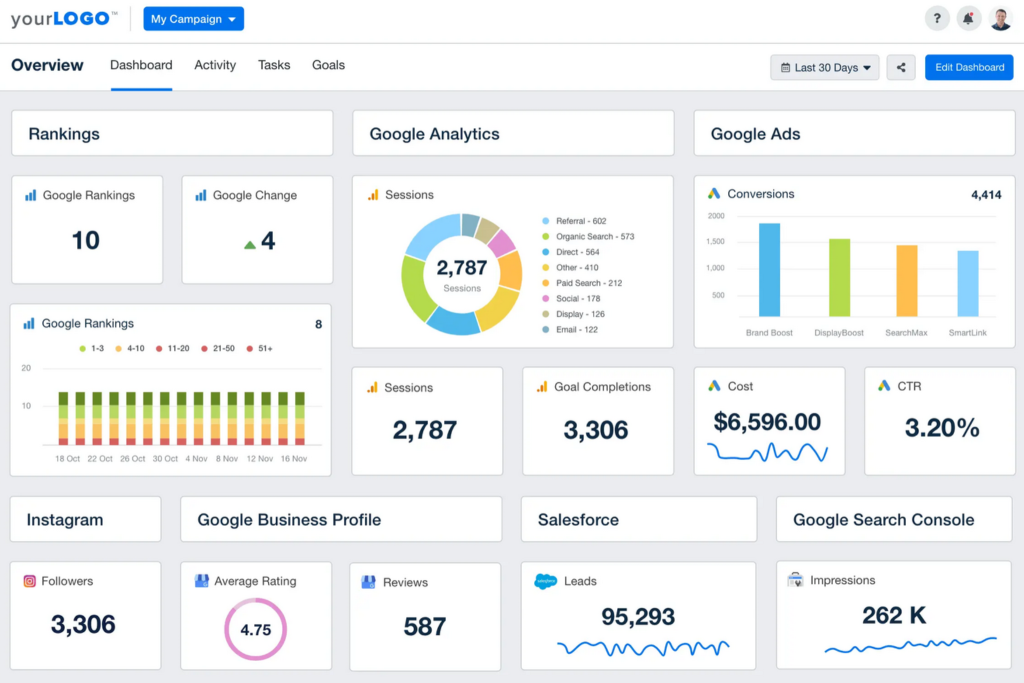
A/B testing isn’t just about conversions—it’s about understanding your audience. Behavioral insights from tests can inform broader marketing strategies, from content creation to website design. Integrations with analytics platforms like Google Analytics or Mixpanel allow you to track long-term effects beyond the test period.
By adopting A/B testing as a core practice, marketers move away from guesswork and toward decisions backed by evidence. The outcome is higher engagement, improved user experience, and measurable growth, ensuring every campaign delivers the best possible results.