















































































Personalization in Email Marketing: How to Boost Engagement:


Email marketing remains one of the most effective channels for driving customer engagement, but its success depends on how well you tailor your messages to your audience. Personalized email marketing goes beyond addressing subscribers by their first name. It’s about delivering relevant, timely content that speaks directly to the needs, preferences, and behaviors of your audience. In this blog, we’ll explore how to leverage personalization in email marketing to boost engagement and foster stronger customer relationships.
1. Why Personalization Matters in Email Marketing:
Personalization is essential in email marketing because it helps create a deeper connection between your brand and your audience. According to studies, personalized emails have higher open rates, click-through rates, and conversion rates compared to generic emails. Personalization makes emails feel more relevant to the recipient, increasing the chances they will engage with the content.
Additionally, personalized emails improve customer experience by delivering content that is specifically tailored to the recipient’s interests, preferences, and purchase history. This level of personalization leads to increased customer satisfaction and loyalty.
2. Collect and Utilize Customer Data:
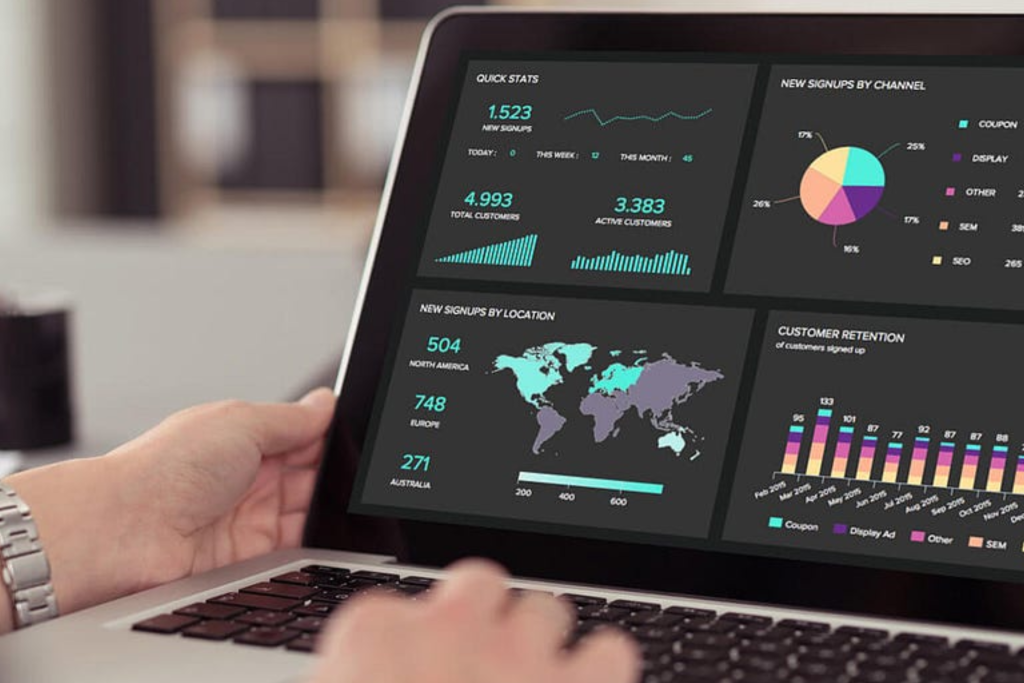
The first step to personalizing your email marketing campaigns is collecting the right data. By using data analytics and customer relationship management (CRM) tools, you can gather valuable information about your subscribers, such as:
-
Name: Personalizing the greeting by including the recipient’s name can make your email feel more personal and less robotic.
-
Purchase history: Use past purchases to recommend related products or services, making your emails more relevant.
-
Location: Tailor your messages based on geographical location, such as sending location-based offers or events.
-
Browsing behavior: If a customer has viewed certain products on your website, use this data to send targeted emails with those products or similar recommendations.
-
Birthday or special occasions: Send personalized offers or discounts on special dates to make customers feel valued.
By collecting and using this data, you can send highly targeted and personalized emails that speak directly to each individual.
3. Use Dynamic Content to Personalize Emails:
Dynamic content allows you to create different versions of an email based on subscriber attributes, such as their purchase history or preferences. For example, if you sell clothing, you can personalize an email by showing men’s clothing to male subscribers and women’s clothing to female subscribers.
Dynamic content can also be used to personalize the subject line, body content, and product recommendations. By creating different email versions for different segments of your audience, you can ensure that each subscriber receives content that is most relevant to them.
4. Segment Your Email List for Better Targeting:
Email segmentation is key to effective personalization. Instead of sending a one-size-fits-all email to your entire list, segment your subscribers based on factors such as:
-
Demographics: Age, gender, location, etc.
-
Behavior: Past purchases, browsing history, or email interactions.
-
Engagement level: Subscribers who frequently engage with your emails versus those who rarely open them.
By segmenting your email list, you can send more targeted, relevant messages to each group, which increases the likelihood of engagement and conversions.
5. Craft Compelling Subject Lines:
The subject line is the first thing recipients see when they open their inbox, and it plays a crucial role in determining whether your email gets opened. Personalizing the subject line with the recipient’s name or offering a tailored message based on their behavior can increase open rates.
For example:
-
“John, We’ve Got a Special Offer Just for You”
-
“Your Recent Purchase + More Great Deals Inside”
Personalized subject lines stand out in crowded inboxes, making your emails more likely to be opened and read.
6. Use Personalized Recommendations:
One of the most effective ways to personalize your email content is by offering personalized product recommendations. By analyzing your customers’ purchase history, browsing behavior, or preferences, you can send tailored product suggestions that align with their interests.
For example, if a customer bought a pair of running shoes, you can recommend complementary products such as running socks, fitness trackers, or sports apparel. Personalized recommendations not only increase the value of each email but also improve the chances of cross-selling and upselling.
7. Timing Is Everything:
Personalization isn’t just about the content; it’s also about the timing. Send emails at the right time based on the recipient’s behavior and time zone. For example, if a subscriber typically opens emails in the morning, send your email in the early hours to increase the chances of it being read.
You can also personalize the timing based on specific events, such as sending a reminder about an abandoned cart within a few hours of the action or sending a birthday email with a special offer.
8. Test and Optimize Your Campaigns:
Personalization is an ongoing process, and continuous testing is necessary to optimize your email campaigns. A/B testing allows you to experiment with different personalized elements, such as subject lines, content, and CTAs, to see what resonates best with your audience.
Analyze the results of each campaign, and use that data to refine your personalization strategies and improve future emails.
Conclusion:
Personalization is a powerful tool for boosting engagement in email marketing. By leveraging customer data, using dynamic content, segmenting your list, crafting compelling subject lines, and offering personalized recommendations, you can create email campaigns that speak directly to your audience’s needs and interests. With the right strategy, personalization can lead to higher open rates, increased conversions, and stronger customer loyalty.