









































































































































How to Optimize Your Website for Speed and Performance:

Website speed and performance are critical factors for both user experience and SEO. Start by testing your website’s speed using tools like Google PageSpeed Insights or GTmetrix to identify areas for improvement. Compress images and use modern file formats like WebP to reduce load times. Minimize JavaScript and CSS files.


Top Website Optimization Tips to Boost Conversion Rates:

Optimizing your website for higher conversion rates involves focusing on design, user experience, and content. Start by ensuring your website is mobile-friendly, as many users access sites on mobile devices. Use clear, compelling calls-to-action (CTAs) that guide visitors toward conversion goals.

How to Build an Effective E-commerce Marketing Strategy:

An effective e-commerce marketing strategy focuses on attracting, converting, and retaining customers. Start by optimizing your website for a seamless shopping experience, ensuring fast load times, easy navigation, and secure payment options. Use targeted advertising on platforms like Facebook, Google, and Instagram to reach your ideal customers.

E-commerce Marketing Tactics That Will Boost Your Sales in 2025:

As e-commerce continues to evolve, new marketing tactics are emerging to boost sales. In 2025, shoppable videos and live streaming will become more prominent as brands offer real-time product demonstrations and exclusive deals. Influencer partnerships will continue to be effective, but with an emphasis on micro-influencers who have niche, highly engaged audiences.

Shopify vs WooCommerce: Which Platform Is Right for Your E-commerce Store?

When choosing an e-commerce platform, Shopify and WooCommerce are two of the most popular options. Shopify is a fully hosted platform, which means it’s easy to set up and manage without needing technical expertise. It’s perfect for those who want a hassle-free experience.

How to Optimize Your Shopify Store for Better Sales:

Optimizing your Shopify store for better sales requires a combination of design, user experience, and marketing strategies. Start by ensuring your website is mobile-friendly, as many users shop on mobile devices. Use clear, visually appealing product images and descriptions to help customers make purchasing decisions.

How to Create a Product Marketing Strategy That Sells:

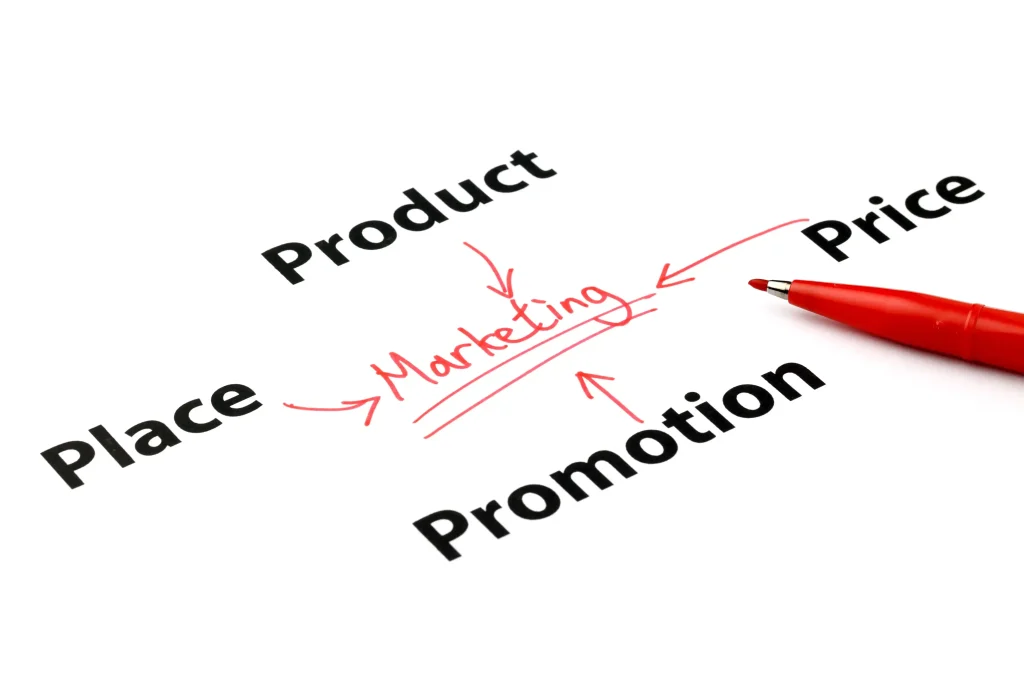
Creating a product marketing strategy that sells requires a deep understanding of your target audience and competitive landscape. Start by defining your unique selling proposition (USP) and crafting messaging that clearly communicates your product’s value. Conduct market research to identify customer pain points and preferences.

5 Proven Product Marketing Strategies to Boost Sales:

To boost sales, marketers must focus on strategies that enhance product visibility and resonate with their target audience. First, leverage content marketing by creating informative blog posts, videos, or tutorials that showcase your product’s benefits. Second, use customer testimonials and case studies to build trust and social proof.

How to Drive SaaS Growth with Effective Marketing Strategies:

SaaS growth relies on marketing strategies that effectively generate leads, nurture prospects, and increase customer retention. Start by building a strong online presence through SEO and content marketing, ensuring that potential customers can easily find your SaaS product.

The Key Metrics You Need to Track for SaaS Growth:

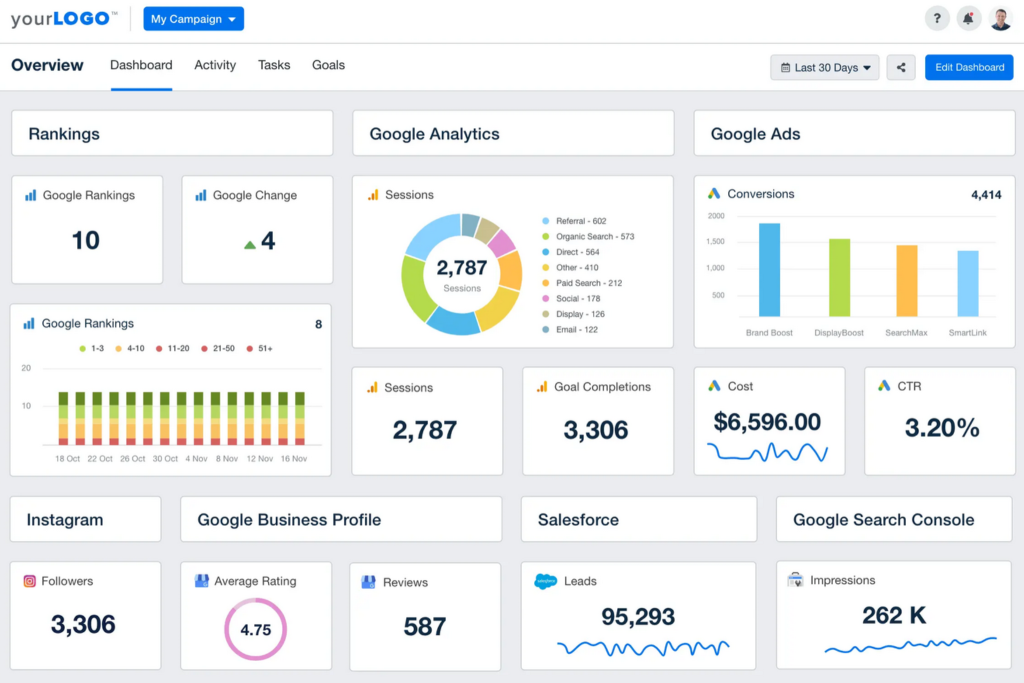
Tracking key metrics is essential for measuring and driving SaaS growth. First, monitor your Customer Acquisition Cost (CAC) to ensure that your marketing and sales efforts are cost-effective. Monthly Recurring Revenue (MRR) and Annual Recurring Revenue (ARR) are crucial for understanding your revenue growth.