






































































































































The Role of Data in CRM: Turning Insights into Actionable Strategies:


Customer Relationship Management (CRM) systems are essential for managing customer interactions and nurturing long-term relationships. However, the true power of a CRM lies in its ability to collect, analyze, and utilize data. By turning CRM data into actionable strategies, businesses can enhance customer experiences and drive growth. Here’s how to unlock the potential of CRM data.
1. Collect Data Across Multiple Touchpoints:
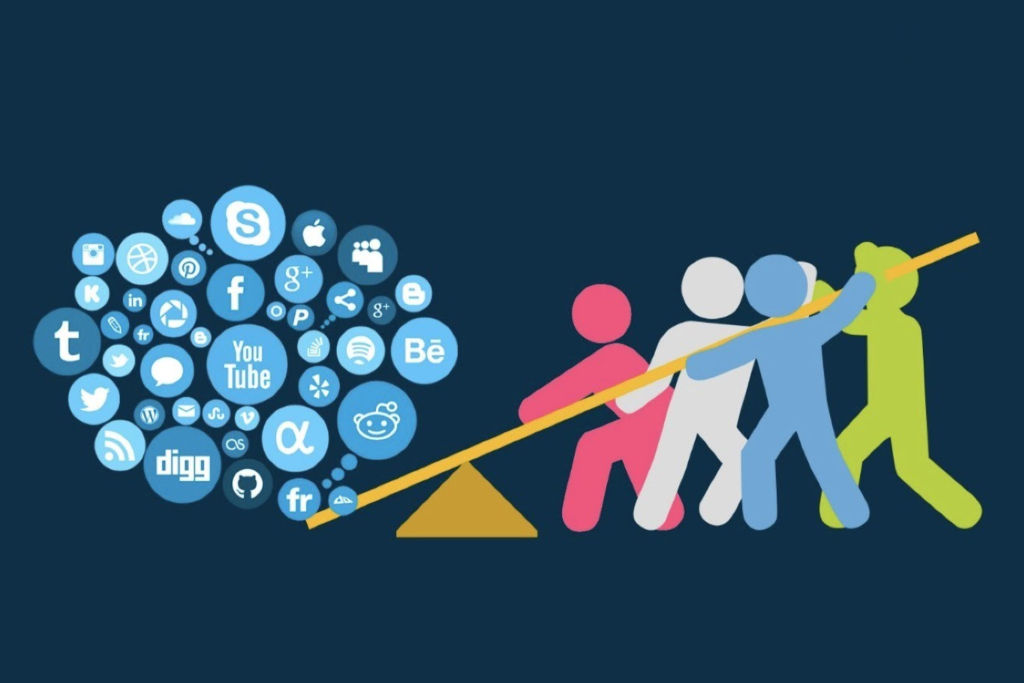
CRM systems allow you to gather data from multiple touchpoints, including emails, website visits, social media, customer service interactions, and purchases. By collecting data at every stage of the customer journey, businesses can get a holistic view of each customer’s behavior and preferences. This data serves as the foundation for creating personalized marketing and sales strategies.
2. Segment Your Customers for Targeted Campaigns:
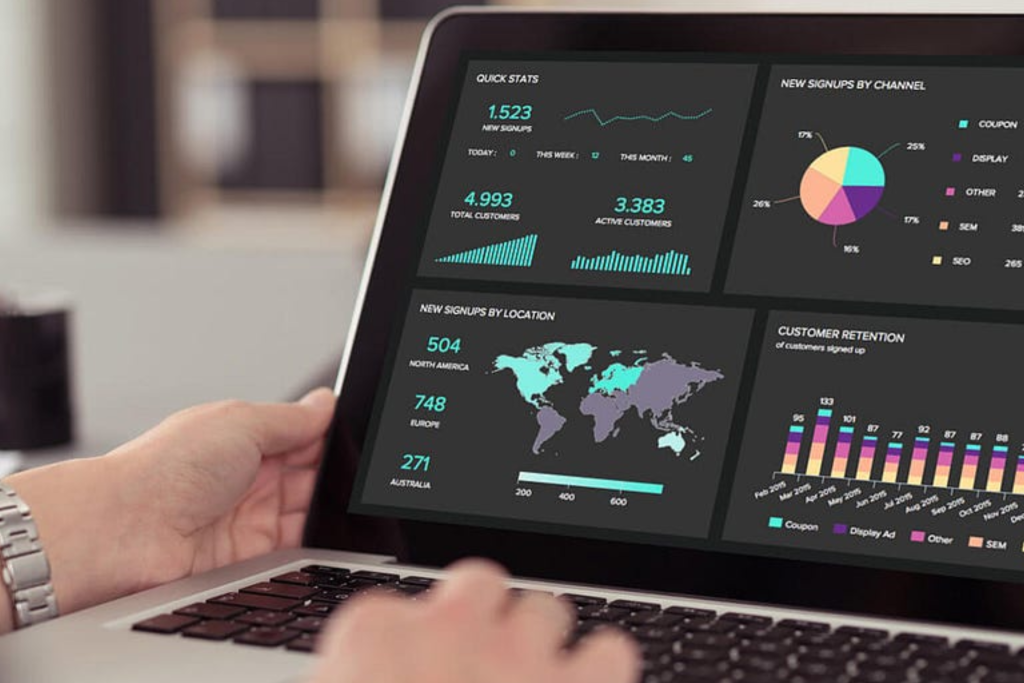
Data in your CRM can be used to segment your customers into different groups based on their behavior, needs, and interests. For example, you could segment customers based on their level of engagement, past purchases, or geographical location. By targeting specific segments with tailored messages, businesses can increase the relevance of their marketing campaigns and improve conversion rates.
3. Predict Customer Behavior:
One of the most powerful ways to use CRM data is through predictive analytics. By analyzing past behaviors, CRM systems can help businesses anticipate future customer actions. For example, if a customer has purchased specific products in the past, the CRM can predict when they are likely to make another purchase and trigger a follow-up campaign. This predictive capability helps businesses stay one step ahead and offer customers timely, relevant offers.
4. Measure and Optimize Campaigns:
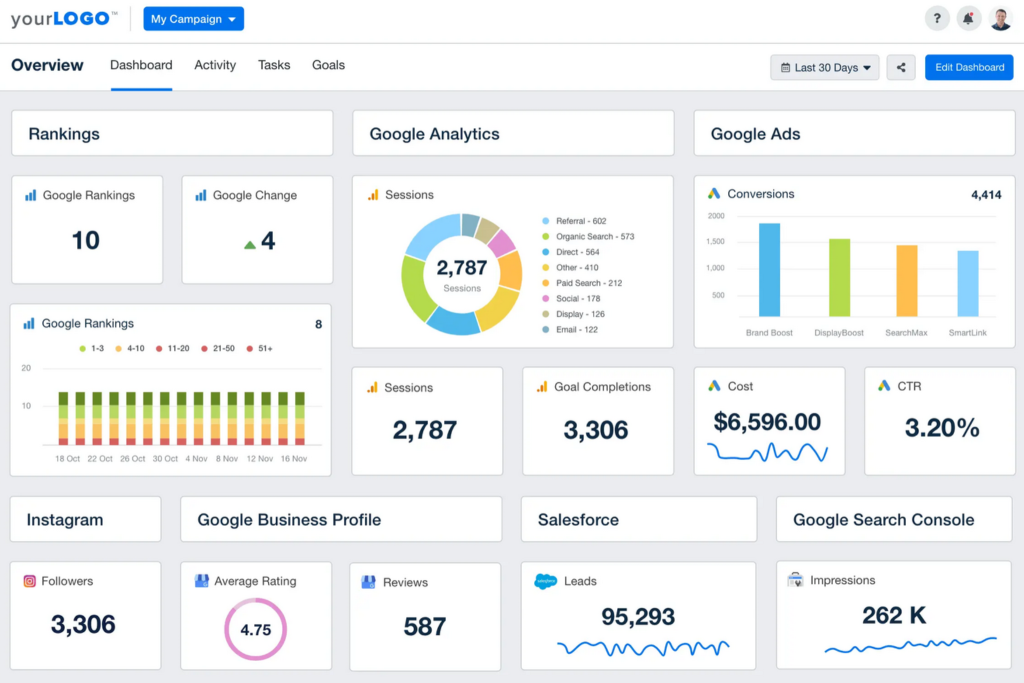
CRM systems provide valuable insights into the performance of marketing campaigns. By tracking key metrics such as open rates, click-through rates, and conversions, businesses can measure the effectiveness of their campaigns and identify areas for improvement. With this data, marketers can adjust their strategies in real time to optimize results.
5. Enhance Customer Service and Support:
Data collected in your CRM system can help improve customer service by providing detailed information about each customer’s history, preferences, and past interactions. Support teams can use this data to deliver personalized solutions and resolve issues more efficiently. This results in faster response times, higher customer satisfaction, and stronger relationships.
By leveraging the data in your CRM system, businesses can gain valuable insights, enhance customer interactions, and create strategies that lead to long-term success.