


































































































































Building an Effective Content Marketing Funnel for Lead Generation:


In the world of digital marketing, the content marketing funnel is an essential framework for converting visitors into leads and, ultimately, customers. A well-structured content marketing funnel ensures that you nurture your prospects at each stage of their journey, guiding them from awareness to decision-making. In this blog, we will explore how to build an effective content marketing funnel that drives lead generation and conversion.
1. Understand the Stages of the Funnel:
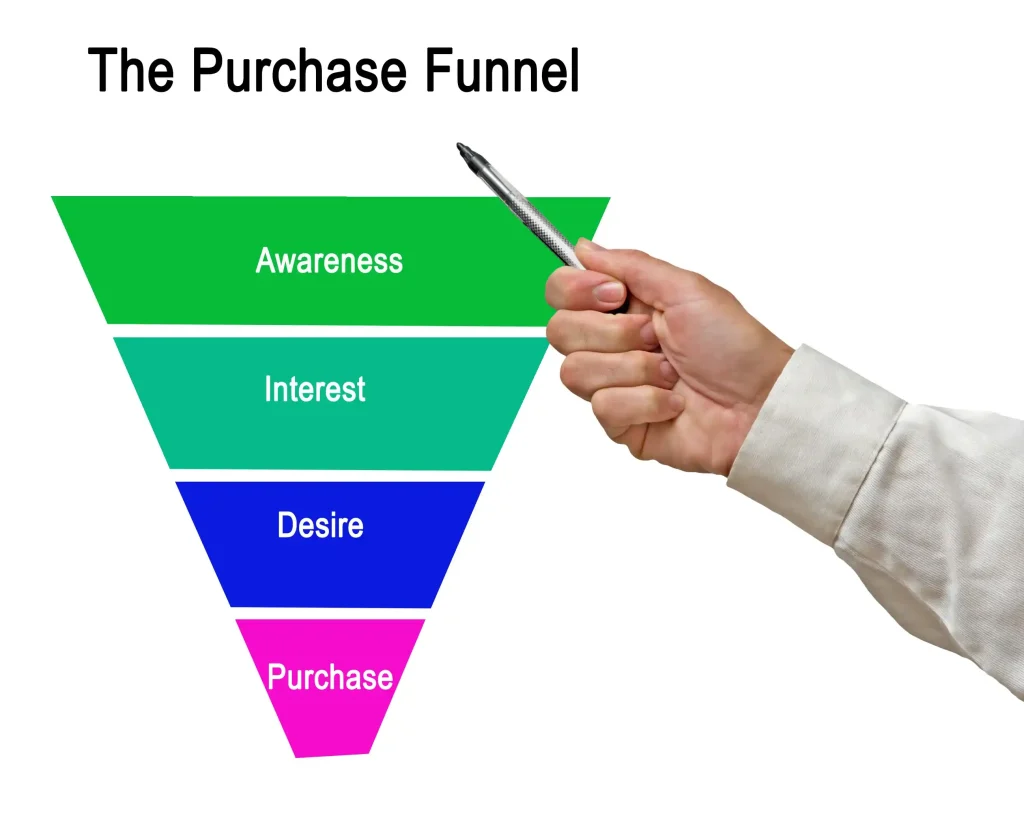
The content marketing funnel typically consists of three main stages:
-
Top of Funnel (TOFU): This is where prospects first become aware of your brand. At this stage, your goal is to attract potential leads through educational and informative content that introduces them to your products or services.
-
Middle of Funnel (MOFU): In this stage, leads are evaluating different options and are more familiar with your brand. Your content should help them move closer to a purchasing decision by offering deeper insights into your solutions and how they can solve specific pain points.
-
Bottom of Funnel (BOFU): At the bottom of the funnel, leads are ready to make a decision. Your content should focus on showcasing your product’s value, offering testimonials, and providing clear calls to action that prompt the lead to make a purchase or convert into a customer.
Understanding these stages is the first step in creating an effective content marketing funnel. By tailoring content to meet the needs of your leads at each stage, you can increase your chances of converting visitors into long-term customers.
2. Create Content for Each Funnel Stage
Now that you know the stages of the funnel, let’s discuss the types of content you can create for each stage.
-
TOFU (Top of Funnel):
-
Blog Posts: Write informative and educational blog posts that address the common pain points of your audience.
-
Infographics: Create visually engaging infographics that break down complex information into digestible insights.
-
Social Media Posts: Share engaging content on platforms like Instagram, LinkedIn, or Twitter to increase brand visibility.
-
Podcasts or Videos: Produce content that educates and entertains to capture the attention of your target audience.
-
-
MOFU (Middle of Funnel):
-
Case Studies: Share success stories of how your product or service helped other customers overcome challenges.
-
Whitepapers & eBooks: Offer in-depth resources that provide value and insights into solving the problems your audience faces.
-
Webinars: Host educational webinars where you can directly engage with your audience and demonstrate your expertise.
-
Email Newsletters: Create personalized emails that share relevant content with leads, keeping them informed and engaged.
-
-
BOFU (Bottom of Funnel):
-
Product Demos: Offer free trials or product demos that allow leads to experience your product firsthand.
-
Customer Testimonials & Reviews: Showcase customer feedback that highlights your product’s benefits and reliability.
-
Pricing Pages: Provide clear and transparent pricing details to help leads make a purchase decision.
-
Sales Pages: Create landing pages with compelling calls to action and persuasive content that nudges leads toward making a decision.
-
Tailoring your content to meet the specific needs of leads at each stage ensures that you guide them effectively through the funnel and increase the chances of converting them into customers.
3. Optimize Your Funnel for Conversion:
Simply creating content for each stage isn’t enough to build an effective content marketing funnel. You need to ensure that your content is optimized to drive conversions.
-
Clear Call-to-Actions (CTAs): Ensure that each piece of content has a clear and compelling CTA. For TOFU content, CTAs may involve inviting readers to subscribe to your newsletter, download a free resource, or follow you on social media. In MOFU, you may prompt them to download an eBook, sign up for a webinar, or request a demo. For BOFU, CTAs should be more direct, such as “Buy Now” or “Schedule a Free Consultation.”
-
Lead Magnets: Offer valuable resources like guides, templates, or checklists in exchange for lead information. This tactic works well in MOFU and TOFU stages to build your email list and generate leads.
-
Landing Pages: Design optimized landing pages that focus on a single goal, such as encouraging visitors to sign up for a webinar or download a free resource. Ensure that your landing pages are free from distractions and include a clear CTA.
4. Nurture Leads with Email Marketing:
Once leads enter your funnel, email marketing becomes a powerful tool for nurturing them through the process. Segment your email list based on the stage of the funnel the lead is in and send personalized content that aligns with their interests and needs.
For example:
-
TOFU Emails: Share educational content that introduces your brand.
-
MOFU Emails: Provide more in-depth content like case studies, eBooks, and customer testimonials.
-
BOFU Emails: Send offers, demos, and final calls to action, encouraging leads to convert.
By automating email sequences and targeting the right leads with the right content, you can move them further down the funnel and increase conversion rates.
5. Measure and Optimize Your Funnel:
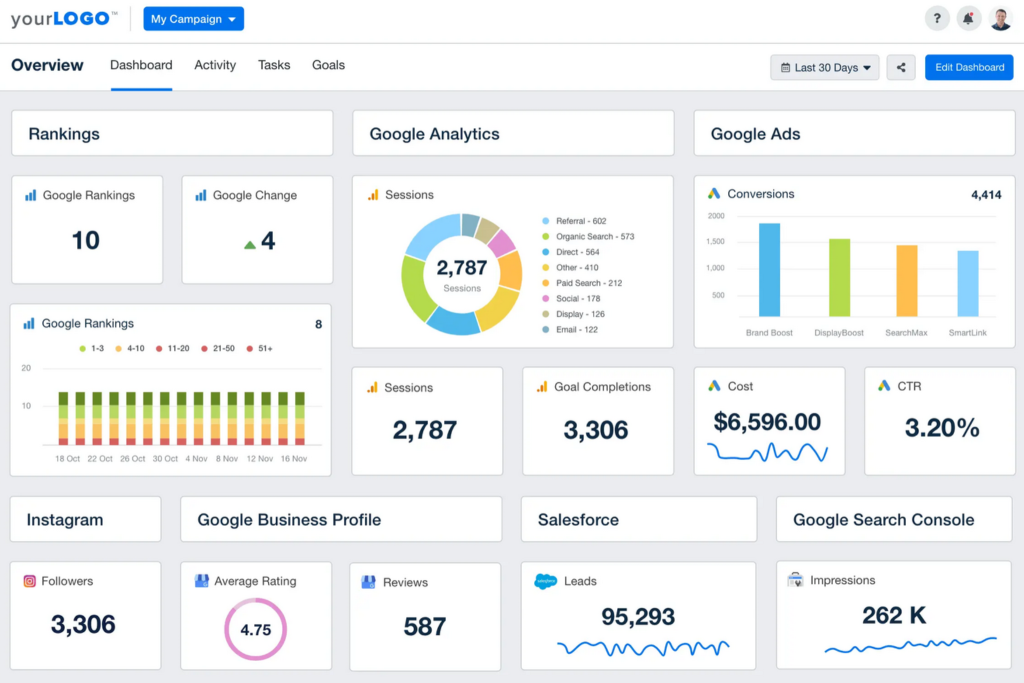
To ensure that your content marketing funnel is effective, you need to regularly track and analyze key performance indicators (KPIs). Look at metrics like website traffic, click-through rates, email open rates, conversion rates, and bounce rates. Use tools like Google Analytics, HubSpot, or other CRM platforms to measure your funnel’s performance.
Based on the data, make adjustments to your content strategy. If certain types of content aren’t converting, refine your messaging or offer different incentives. Constantly optimizing your funnel will help you achieve better lead generation results over time.
Conclusion:
Building an effective content marketing funnel for lead generation is essential for turning visitors into loyal customers. By creating targeted content for each stage of the funnel, optimizing for conversions, nurturing leads with email marketing, and continuously measuring your performance, you can drive sustainable growth for your business. Remember, consistency and optimization are key to success in the long run.