



































































































































Maximizing Your ROI with PPC Campaigns: Tips and Strategies:


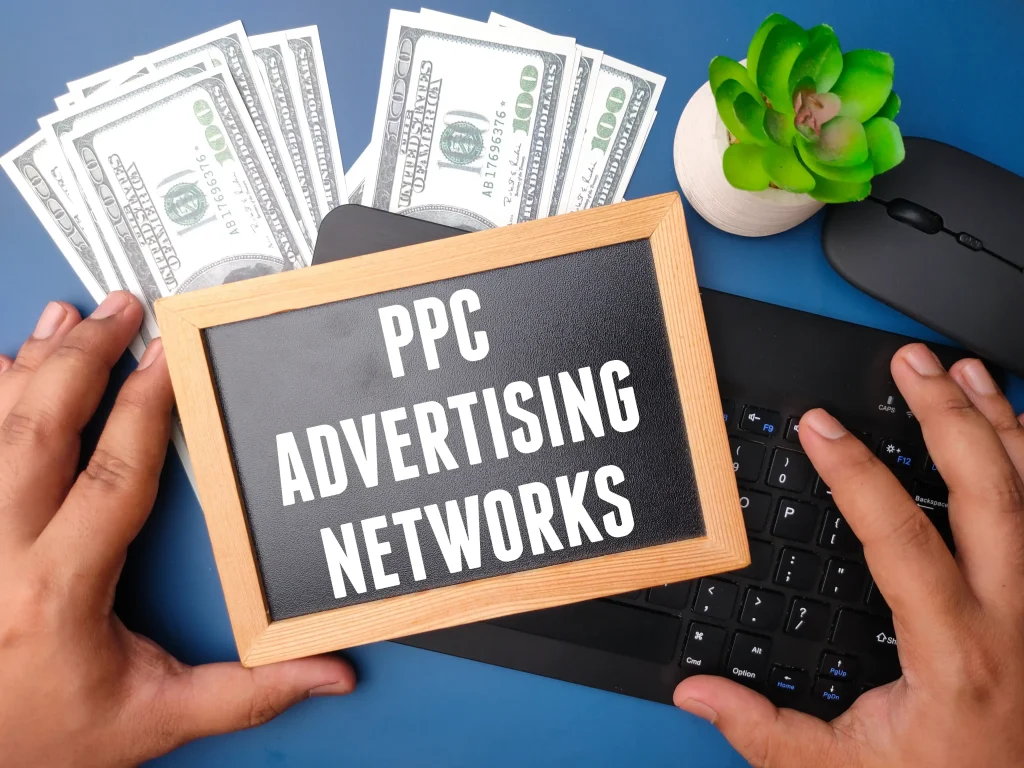
Pay-per-click (PPC) advertising is one of the most effective ways to drive targeted traffic to your website and generate leads. However, without a solid strategy, you may not see the desired return on investment (ROI). In this blog, we’ll explore how to maximize your ROI with PPC campaigns through strategic planning, optimization, and continuous monitoring.
1. Define Clear Goals and KPIs:
Before launching your PPC campaign, it’s essential to define your goals. Are you aiming to drive website traffic, generate leads, or increase sales? Identifying your goals will help you tailor your PPC strategy and measure success.
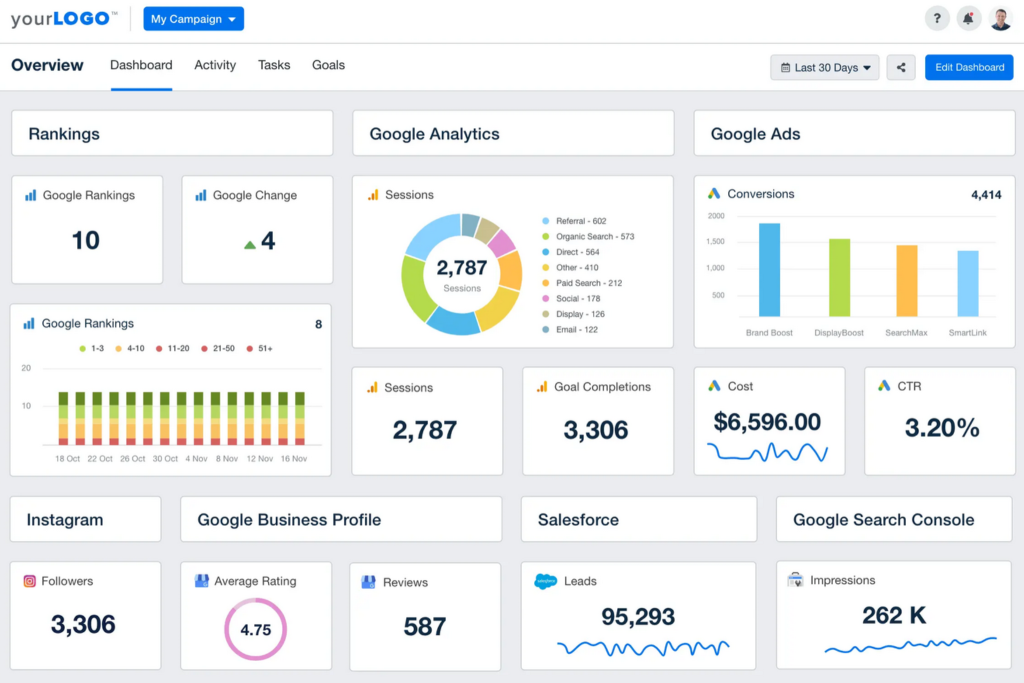
Once you’ve set clear goals, establish key performance indicators (KPIs) to track performance. Common KPIs for PPC campaigns include:
-
Click-through Rate (CTR): The percentage of people who click on your ad after seeing it.
-
Conversion Rate: The percentage of visitors who complete the desired action (e.g., making a purchase or filling out a form).
-
Cost per Conversion (CPC): The amount you pay for each conversion.
-
Return on Ad Spend (ROAS): The revenue generated from your ad campaign divided by the cost of the ads.
By tracking these KPIs, you can assess the effectiveness of your PPC campaign and make necessary adjustments to improve ROI.
2. Target the Right Audience:
One of the key advantages of PPC is its ability to target specific audiences. To maximize ROI, you need to ensure that your ads are reaching the right people. Use the following targeting options:
-
Keywords: Select relevant keywords that align with the intent of your target audience.
-
Geographic Targeting: Focus your ads on specific locations to reach potential customers in your target market.
-
Demographic Targeting: Tailor your ads to specific age groups, genders, interests, or income levels.
-
Device Targeting: Adjust your campaigns based on the device your audience is using (desktop, mobile, tablet).
By targeting the right audience, you increase the likelihood of conversions and ensure that your ad spend is being used efficiently.
3. Use Negative Keywords:
Negative keywords are a powerful tool to filter out irrelevant traffic and reduce wasted ad spend. For example, if you’re selling premium running shoes, you may want to exclude searches like “cheap running shoes” or “free running shoes.” Negative keywords help you avoid showing your ads to people who are unlikely to convert, ensuring that your budget is spent on qualified leads.
4. Optimize Ad Copy and Landing Pages:
The effectiveness of your PPC campaign depends heavily on your ad copy and the landing pages they direct users to. Write compelling ad copy that grabs attention and highlights the benefits of your product or service. Use strong calls to action (CTAs) like “Shop Now,” “Get a Free Trial,” or “Learn More” to encourage clicks.
Ensure that your landing pages are optimized for conversions. The page should load quickly, be mobile-friendly, and match the message in your ad. If you’re advertising a sale, make sure the landing page prominently features the discount and relevant products. A clear, focused landing page improves the chances of converting visitors into customers.
5. Monitor and Optimize Campaigns:
To maximize ROI, you need to continuously monitor and optimize your PPC campaigns. Regularly review your campaign performance and make adjustments based on your KPIs. Some optimization strategies include:
-
A/B Testing: Test different ad variations to see which performs better.
-
Adjusting Bids: Increase bids for high-performing keywords and reduce bids for underperforming ones.
-
Ad Scheduling: Display your ads at times when your target audience is most likely to engage.
By optimizing your campaigns, you can ensure that your ads are performing at their best and generating maximum ROI.
6. Retargeting and Remarketing:
Retargeting allows you to target users who have previously visited your website but didn’t convert. This can be a highly effective way to boost conversions and maximize ROI, as these users are already familiar with your brand. Use remarketing ads to remind them of your products or services and encourage them to return to complete the desired action.
Conclusion:
PPC campaigns can be a powerful tool for driving traffic and generating leads, but maximizing ROI requires careful planning, targeting, and optimization. By setting clear goals, targeting the right audience, using negative keywords, optimizing your ads and landing pages, and continuously monitoring your campaigns, you can maximize the effectiveness of your PPC efforts and ensure that every dollar spent brings a worthwhile return.