






































































































































The Ultimate Guide to Social Media Advertising for Beginners:


Social media advertising is one of the most effective ways to increase brand awareness, generate leads, and drive sales. With billions of people using social media every day, advertising on platforms like Facebook, Instagram, Twitter, and LinkedIn offers businesses an incredible opportunity to reach their target audience. However, if you’re new to social media advertising, it can seem overwhelming. This ultimate guide will walk you through the basics of social media advertising, offering tips and strategies for success.
1. Understand the Basics of Social Media Advertising:
Social media advertising allows you to place paid ads on social media platforms. These ads can appear in various formats, including display ads, video ads, carousel ads, and sponsored posts. Social media platforms like Facebook, Instagram, LinkedIn, and Twitter offer a variety of targeting options, which makes it easier to reach specific demographics, interests, and behaviors.
Social media advertising operates on a pay-per-click (PPC) or cost-per-impression (CPM) model, meaning you pay when someone clicks on your ad or when the ad is displayed to a certain number of people.
2. Choose the Right Social Media Platform:
There are many social media platforms, each with its own strengths. When choosing where to run your ads, consider your target audience and the platform they frequent the most:
-
Facebook and Instagram: These platforms are ideal for visual businesses like fashion, beauty, and lifestyle. Instagram is especially popular with younger audiences, while Facebook offers a broader range of demographics.
-
LinkedIn: Best for B2B marketing, LinkedIn allows you to target professionals based on their industry, job title, and company size.
-
Twitter: Great for real-time engagement, Twitter is excellent for brands looking to interact with users on trending topics or during live events.
3. Set Clear Goals for Your Campaign:
Before launching any advertising campaign, it’s important to set clear, measurable goals. What do you want to achieve with your ads? Common social media advertising goals include:
-
Brand Awareness: Increasing visibility and making people aware of your brand.
-
Lead Generation: Collecting user information through forms or direct messages.
-
Website Traffic: Driving users to your website.
-
Conversions: Encouraging users to make a purchase, sign up for a service, or download content.
Your goals will guide your ad strategy, including targeting, creative, and budget.
4. Create Compelling Ad Content:
To capture the attention of your audience, your ad content must be compelling and engaging. Here are some tips for creating effective social media ads:
-
Use High-Quality Visuals: Whether it’s images or videos, ensure that your visuals are eye-catching and relevant to your brand.
-
Write Clear and Concise Copy: Your ad copy should communicate the value of your product or service quickly and clearly.
-
Include a Strong Call to Action (CTA): Encourage users to take the next step with a clear CTA such as “Shop Now,” “Learn More,” or “Sign Up.”
-
Leverage User-Generated Content: Show how real customers are using your product or service, which helps build trust and authenticity.
5. Use Advanced Targeting Options:
One of the main advantages of social media advertising is the ability to target your audience with incredible precision. Platforms like Facebook and Instagram offer targeting based on:
-
Demographics: Age, gender, location, education level, etc.
-
Interests: Based on the content users engage with on social media.
-
Behaviors: User behaviors like purchase history, device usage, etc.
-
Custom Audiences: Upload your own list of emails or phone numbers to target specific individuals.
The more specific your targeting, the higher your chances of reaching the right people who are most likely to convert.
6. Set Your Budget and Bid Strategy:
When it comes to social media advertising, you need to decide how much you’re willing to spend and how you want to allocate your budget. Most platforms allow you to set a daily or lifetime budget, and you can adjust your spending as needed.
You also need to choose a bid strategy. You can either bid manually or use automatic bidding, where the platform optimizes your ad delivery to get the most results within your budget.
7. Measure and Optimize Your Ads:
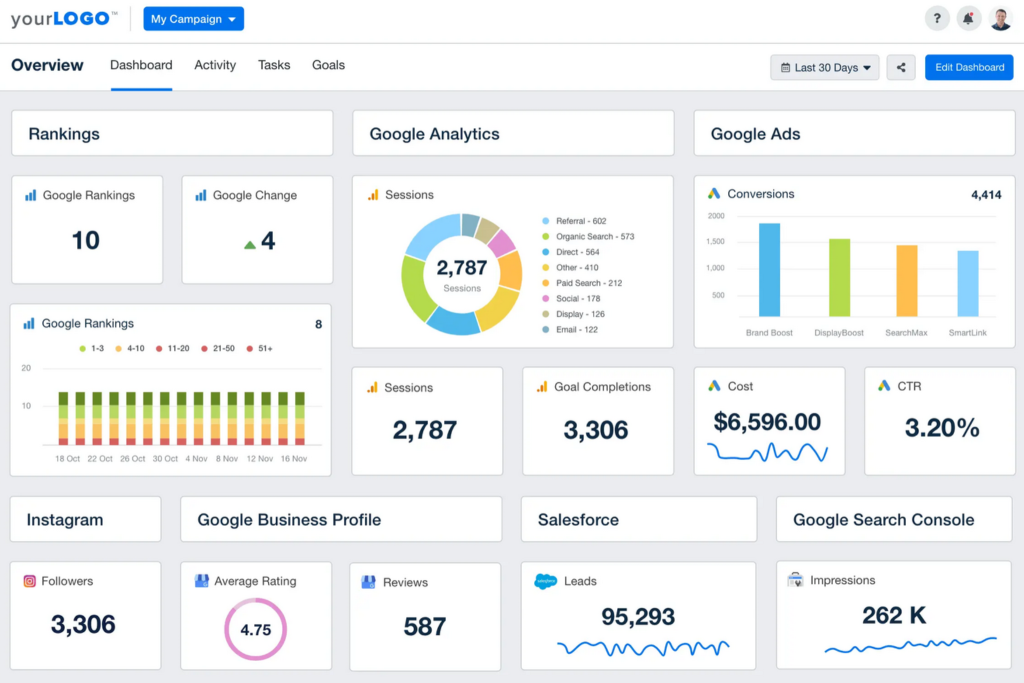
To ensure your social media advertising campaign is effective, you need to monitor your performance regularly. Use the analytics tools provided by the platform (e.g., Facebook Ads Manager, Instagram Insights, LinkedIn Analytics) to track important metrics such as:
-
Click-through rate (CTR): The percentage of people who clicked on your ad after seeing it.
-
Conversion rate: The percentage of people who completed a desired action (e.g., made a purchase).
-
Cost per click (CPC): How much you pay each time someone clicks on your ad.
Based on the data, optimize your campaign by adjusting targeting, creative, or bidding strategies.
Conclusion:
Social media advertising is a highly effective way to achieve your marketing goals and reach your target audience. By understanding the basics, choosing the right platform, setting clear goals, creating compelling ad content, and optimizing your campaign, you can successfully leverage social media advertising to grow your business. Whether you’re a beginner or a seasoned marketer, social media ads are a powerful tool that can drive real results.