












































































































































How to Leverage User Behavior Data to Personalize Your Marketing Campaigns:


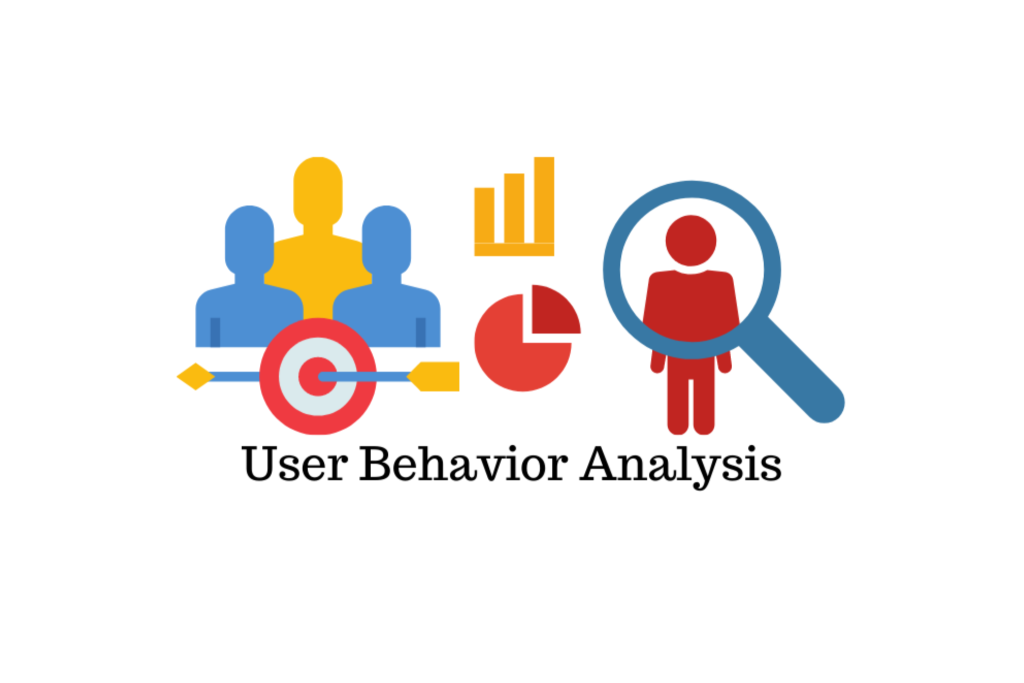
Personalization is most effective when driven by real user behavior data. Instead of generic messaging, marketers can deliver relevant content that aligns with user interests, intent, and past interactions.
Start by collecting behavior data across channels. Website activity, email engagement, product views, and purchase history all provide valuable insights. Tools like Google Analytics, Mixpanel, and HubSpot help centralize this data and create detailed user profiles.
Use segmentation to group users based on behavior. For example, users who abandoned a cart can receive reminder emails, while frequent visitors can be targeted with loyalty offers. Email platforms like Mailchimp and ActiveCampaign support behavior-triggered automation, improving engagement and conversion rates.
On websites, dynamic content personalization can significantly improve UX. Showing recommended products, personalized CTAs, or content based on previous behavior increases relevance and reduces friction. Tools like Optimizely and VWO enable personalized experiences based on user actions.
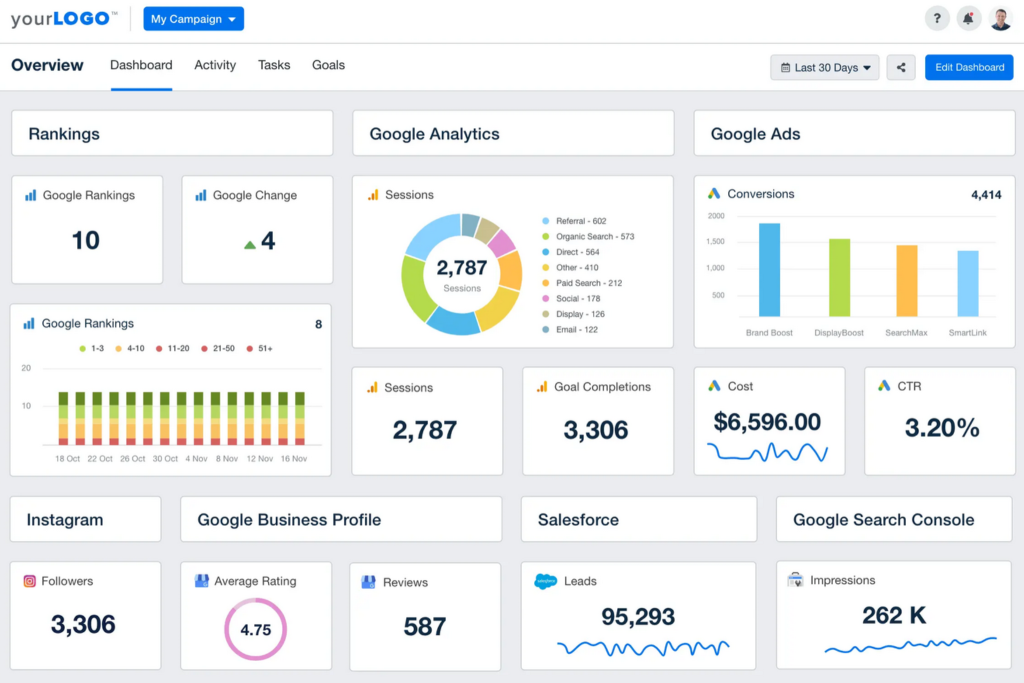
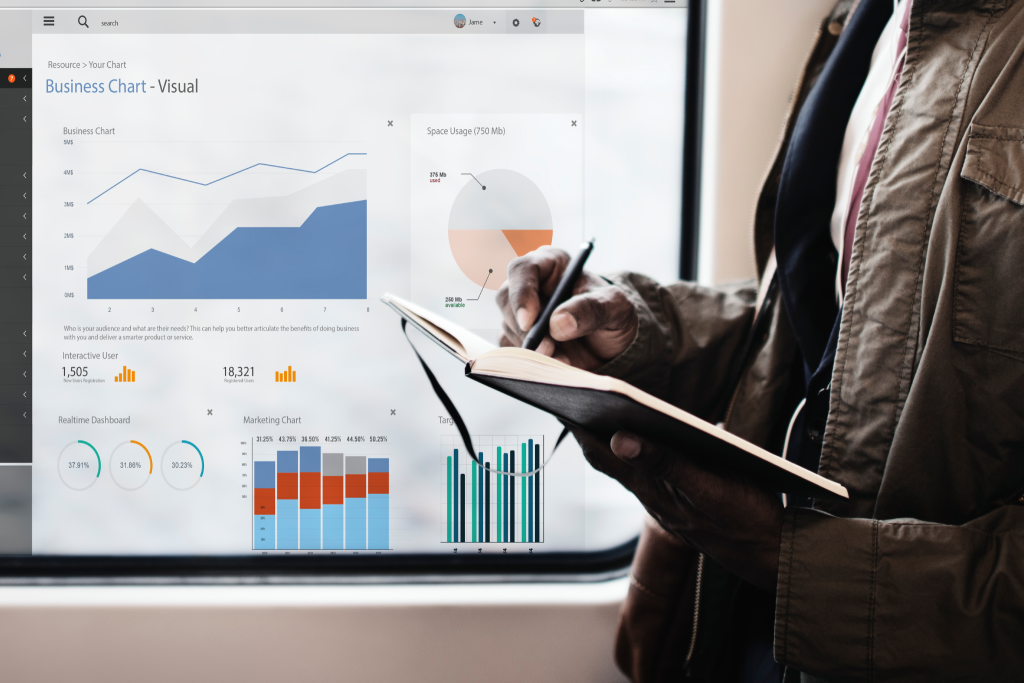
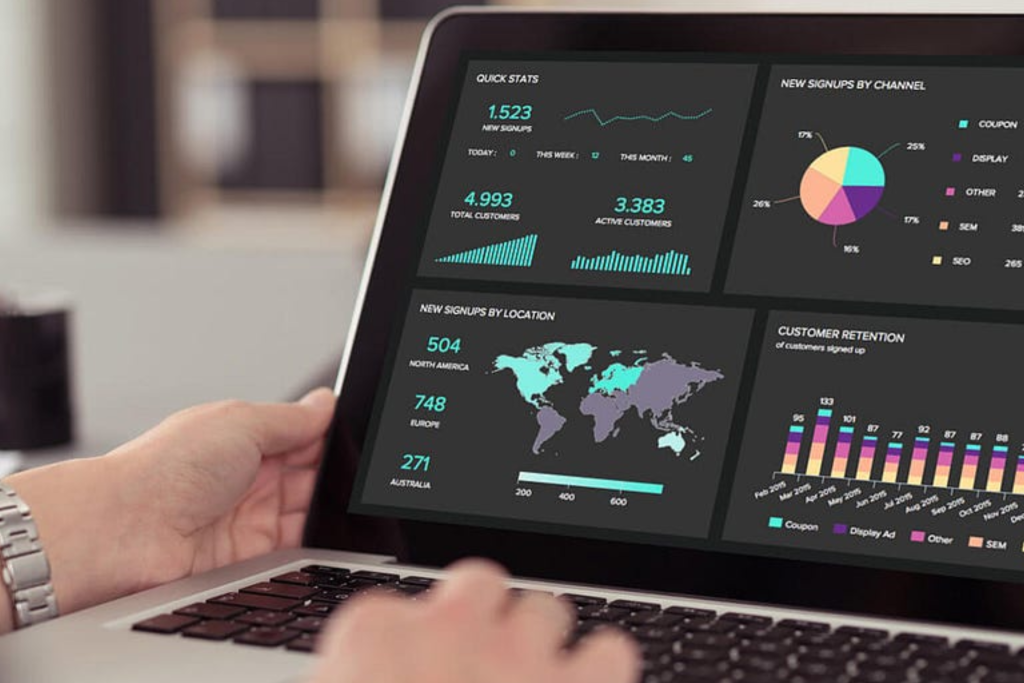
Automation is key to scaling personalization. Platforms like Zapier can sync behavior data between analytics, CRM, and email tools, ensuring timely and consistent messaging. Dashboards help track performance and refine personalization strategies over time.
When user behavior data is leveraged correctly, marketing campaigns feel more relevant and human. This leads to higher engagement, stronger relationships, and improved ROI across channels.