



















































































































































How to Use User Behavior Analysis to Improve Your Website’s Performance:

User behavior analysis helps businesses understand how visitors interact with their website and why some convert while others leave. Instead of relying on assumptions, marketers can use real user data to improve usability, engagement, and overall performance.
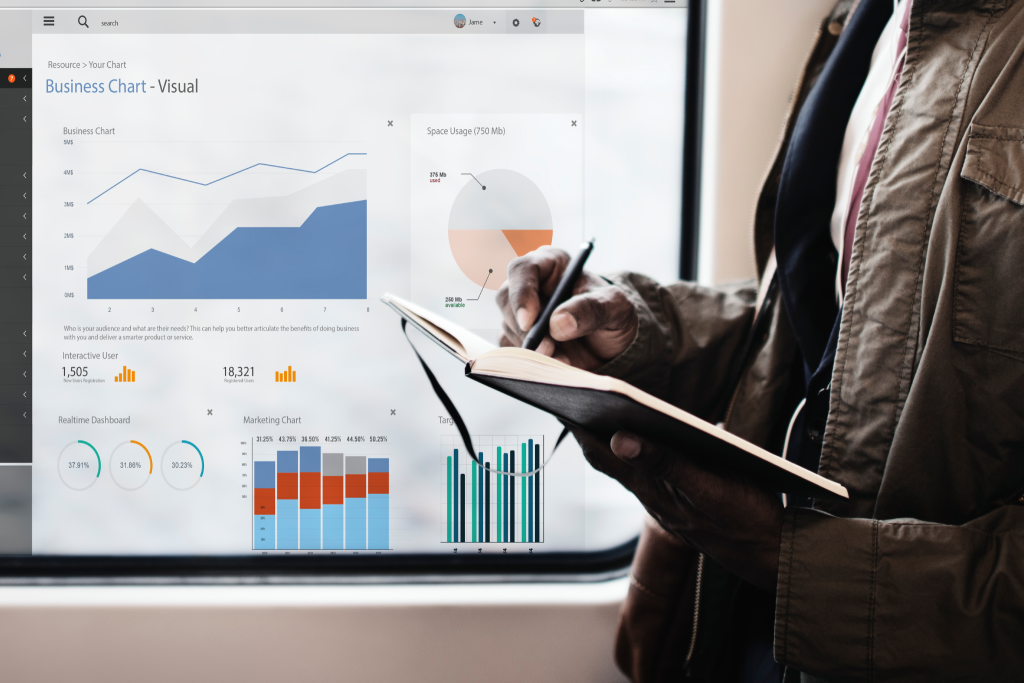
Start by tracking how users navigate your site. Metrics such as page views, bounce rate, session duration, and exit pages reveal where visitors lose interest. Tools like Google Analytics 4 provide quantitative insights, while behavior-focused tools like Hotjar or Crazy Egg offer heatmaps, scroll maps, and session recordings to visualize user interactions.
Once friction points are identified, optimize those areas. For example, if users drop off on a landing page, test clearer messaging, simplified layouts, or stronger calls to action. If forms are abandoned, reduce the number of fields or improve page load speed. Even small changes based on behavior insights can significantly improve conversion rates.
Segmentation plays a key role. Analyze behavior by traffic source, device type, or user intent. Mobile users may behave differently than desktop users, requiring design adjustments. Returning users might respond better to personalized content, while new users may need more guidance and trust signals.
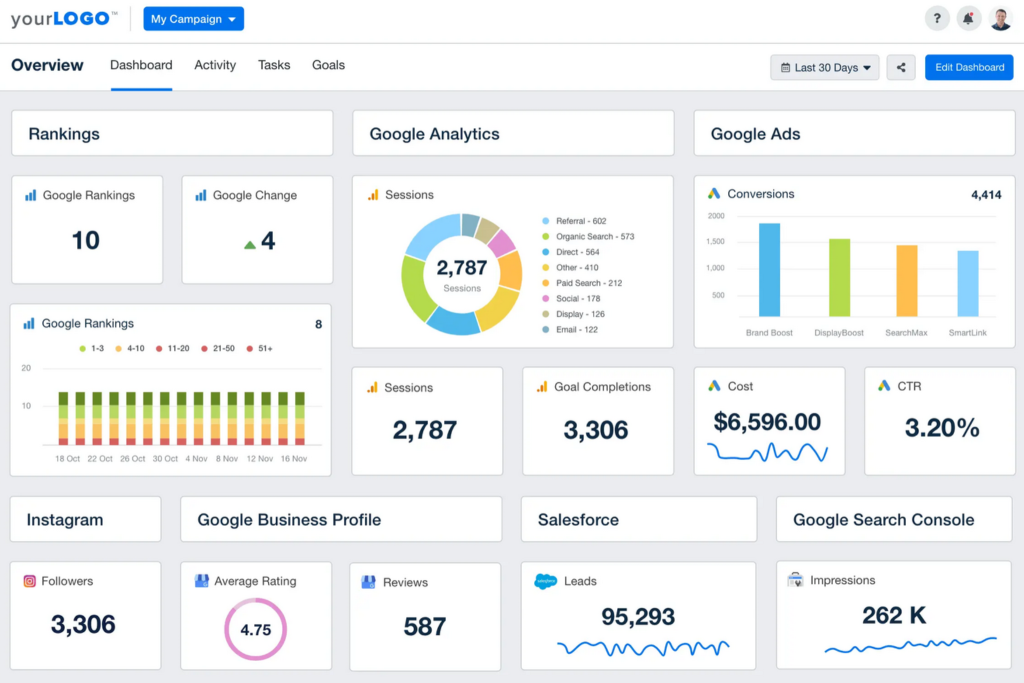
User behavior analysis should be continuous. Integrate behavior data into dashboards using tools like Looker Studio or Power BI to monitor trends over time. Automation tools such as Zapier can sync data across analytics and CRM platforms, ensuring insights are accessible across teams.
By consistently analyzing and acting on user behavior data, websites become more intuitive, faster, and conversion-focused—leading to better performance and improved user satisfaction.