


















































































































How to Write Email Subject Lines That Get Opened Every Time:

Email marketing remains one of the most effective ways to engage with your audience and drive conversions. However, even the best email content won’t achieve its goals if the subject line doesn’t grab attention. Your subject line is the first thing recipients see, and it determines whether they open your email or move it to the trash. In this blog, we’ll explore how to write email subject lines that get opened every time.
1. Keep It Short and Sweet:
One of the most important aspects of a successful subject line is brevity. Email inboxes are often crowded, and recipients are bombarded with dozens (if not hundreds) of emails each day. A long and complicated subject line will get lost in the noise. Ideally, your subject line should be under 50 characters to ensure it displays fully on both desktop and mobile devices.
Short subject lines are more likely to be noticed and are easier to read quickly. They also leave more room for your preview text, which provides additional context about the email’s content.
2. Create a Sense of Urgency:
People are more likely to open emails that create a sense of urgency or scarcity. If your email promises something valuable that’s time-sensitive, highlight that in the subject line. Using phrases like “Limited Time Offer,” “Last Chance,” or “Only a Few Hours Left” can make recipients feel they need to open your email right away to avoid missing out.
Example:
-
“Hurry! Only 24 Hours Left to Get 30% Off”
-
“Flash Sale: Ends Tonight!”
Urgency appeals to human psychology by playing on the fear of missing out (FOMO), which can drive higher open rates.
3. Personalize the Subject Line:
Personalization goes beyond just including the recipient’s name (though that’s a great start). You can also tailor the subject line based on past behavior or demographic data. For example, if a customer recently browsed a specific product on your website, use that information to create a more relevant subject line.
Example:
-
“Hey [Name], Check Out These Shoes You Loved”
-
“Special Offer Just for You, [Name]!”
Personalized subject lines feel more relevant to the recipient, making them more likely to engage with your email. In fact, emails with personalized subject lines have been shown to increase open rates by up to 26%.
4. Use Numbers and Specifics:
Including numbers or specific details in your subject line makes it more compelling. Numbers stand out visually and help convey a sense of precision and clarity. Whether you’re offering a discount, a list of tips, or the latest statistics, using numbers in your subject line helps set clear expectations for what’s inside the email.
Examples:
-
“5 Tips for Boosting Your Social Media Engagement”.
-
“Save 25% on Your Next Purchase”.
The specificity in these subject lines provides immediate value, giving recipients a reason to open the email.
5. Ask Engaging Questions:
Subject lines that ask questions create curiosity and compel recipients to open the email to find out the answer. The key is to ask a question that resonates with your audience and is relevant to their needs, desires, or pain points. A well-crafted question will spark curiosity and encourage action.
Examples:
-
“Ready to Take Your Business to the Next Level?”
-
“Are You Making These Common SEO Mistakes?”
These types of subject lines create a sense of intrigue and invite the recipient to find out more.
6. Avoid Spammy Words:
Certain words and phrases can trigger spam filters, preventing your email from reaching your audience’s inbox in the first place. Words like “free,” “urgent,” “guaranteed,” and “limited time” can flag your email as spam. While creating urgency is important, you should avoid overusing words that make your subject line sound too “salesy” or promotional.
Instead of using buzzwords like “Free Gift” or “Act Now,” try focusing on the value or benefit your email offers without sounding like a hard sell.
Example:
-
“Unlock Exclusive Benefits Today” (Instead of “Free Gift”).
7. Test and Optimize:
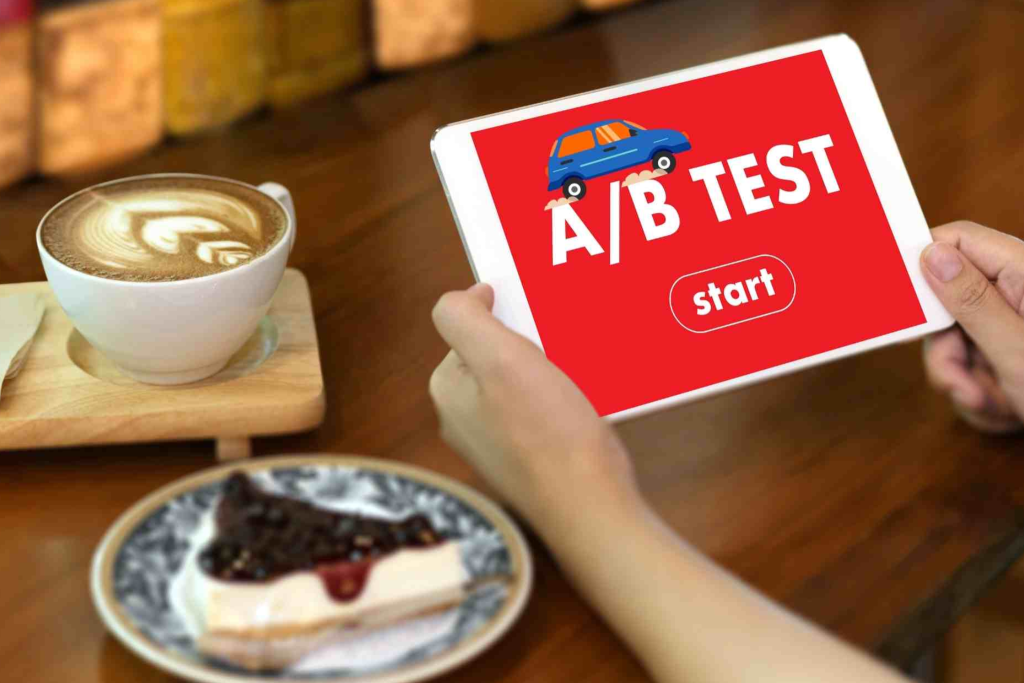
Writing email subject lines that get opened every time is a skill that improves with testing and optimization. Use A/B testing to experiment with different approaches and analyze which subject lines resonate most with your audience. Test variations of your subject lines, such as using urgency versus curiosity or personalization versus straightforward offers, and monitor your open rates to see which performs best.
Most email marketing platforms offer built-in A/B testing tools that allow you to test subject lines, sending times, and other variables to optimize your campaigns.
8. Be Honest and Transparent:
While creating a sense of urgency or intrigue is important, it’s equally important to maintain trust with your audience. Avoid misleading or clickbait subject lines that overpromise and underdeliver. If the email content doesn’t align with the subject line, it could lead to a poor user experience, increased unsubscribe rates, and a damaged reputation.
For example, don’t write a subject line that promises “100% Free” if the email is about a paid product. Keep the promise you make in the subject line clear and consistent with what’s inside.
Conclusion:
A well-crafted email subject line can make all the difference in your email marketing campaigns. By keeping your subject lines short, creating urgency, personalizing your messaging, using numbers, and testing different approaches, you can significantly increase your email open rates. Keep experimenting, track performance, and refine your subject lines to continue boosting engagement and achieving better results.