













































































































Integrating Chatbots into Your Marketing Strategy: A Step-by-Step Guide:


Integrating chatbots into your marketing strategy can significantly enhance customer engagement, improve conversions, and streamline business operations. By automating conversations and providing personalized interactions, chatbots allow businesses to interact with customers at scale. Here’s a step-by-step guide to integrating chatbots into your marketing strategy.
Step 1: Identify Your Goals:
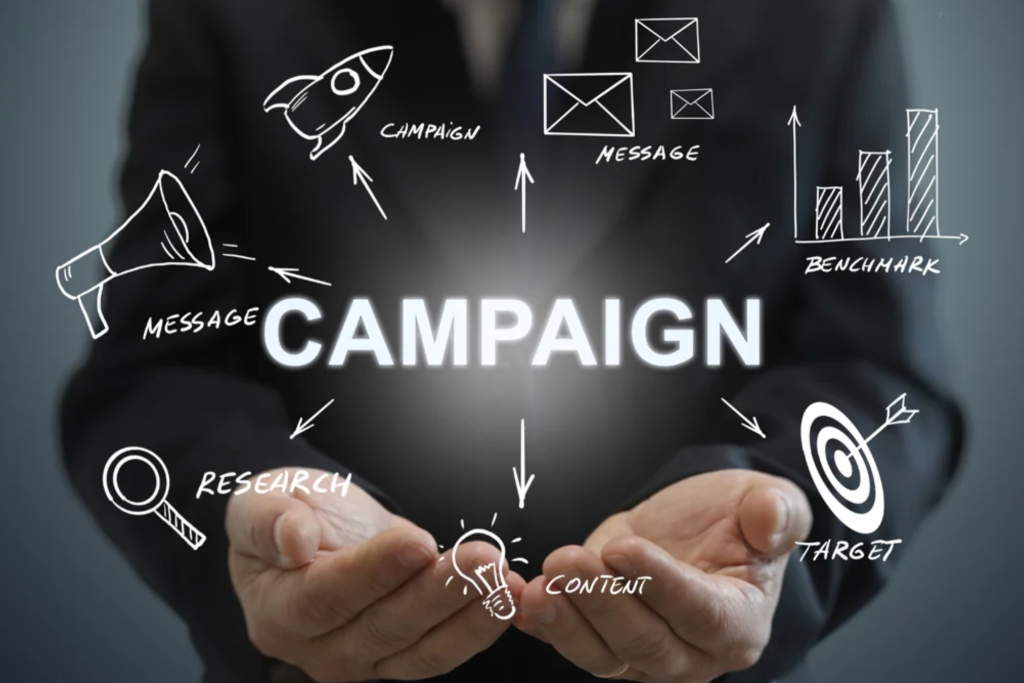
Before integrating a chatbot into your marketing strategy, it’s important to define your goals. Are you looking to improve customer support, increase lead generation, or boost sales conversions? Identifying your primary objective will help guide the development and implementation of your chatbot, ensuring it aligns with your marketing strategy.
Step 2: Choose the Right Chatbot Platform:
There are various chatbot platforms available, each with its own features and capabilities. Choose a platform that aligns with your goals and integrates well with your existing systems (like your CRM, email marketing tools, or e-commerce platform). Some popular chatbot platforms include Drift, Intercom, and ManyChat. Make sure the platform is user-friendly, scalable, and customizable to suit your needs.
Step 3: Design the Chatbot Experience:
Designing an engaging and effective chatbot experience is crucial for success. The chatbot should provide value to customers by answering questions, offering product recommendations, and guiding them through the sales process. Ensure the chatbot’s tone aligns with your brand voice and that it can handle common customer queries. Incorporate options for escalation to a human agent if needed.
Step 4: Implement Lead Qualification:
Chatbots are excellent tools for lead generation and qualification. Set up your chatbot to ask relevant questions that help qualify leads, such as their needs, budget, or timeline. By automating this process, you can ensure that only qualified leads are passed on to your sales team, improving the efficiency of your lead generation efforts.
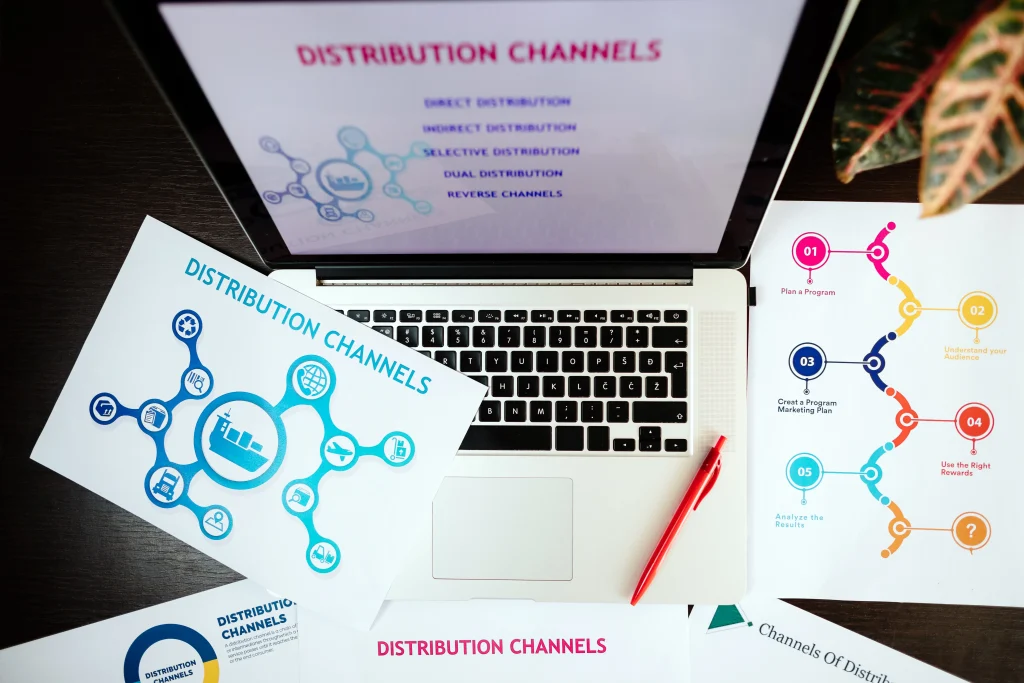
Step 5: Integrate with Other Marketing Channels:
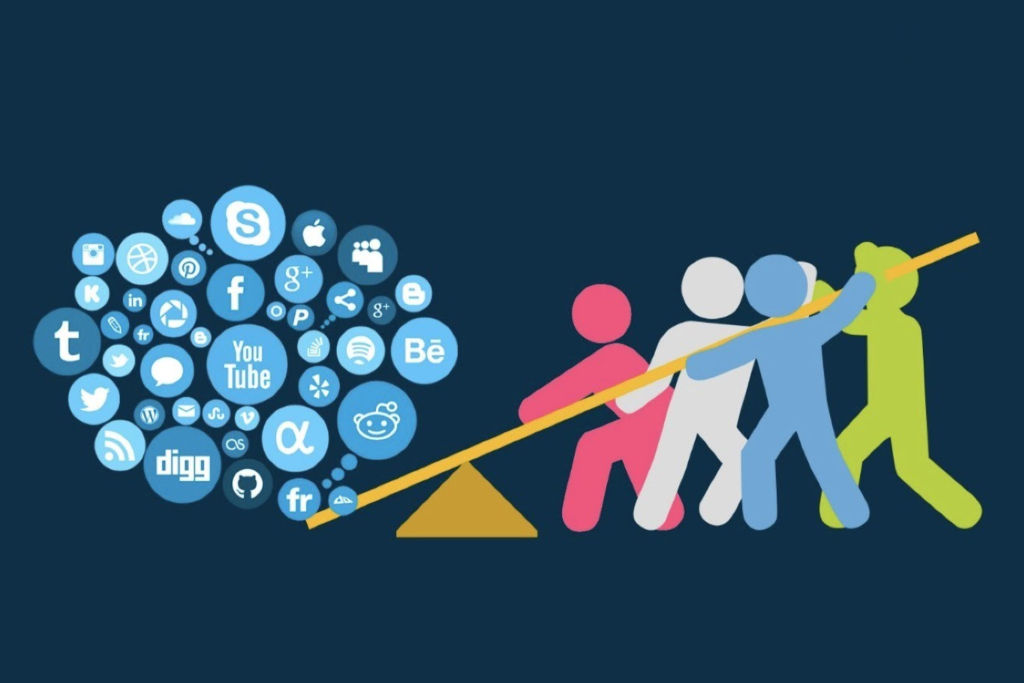
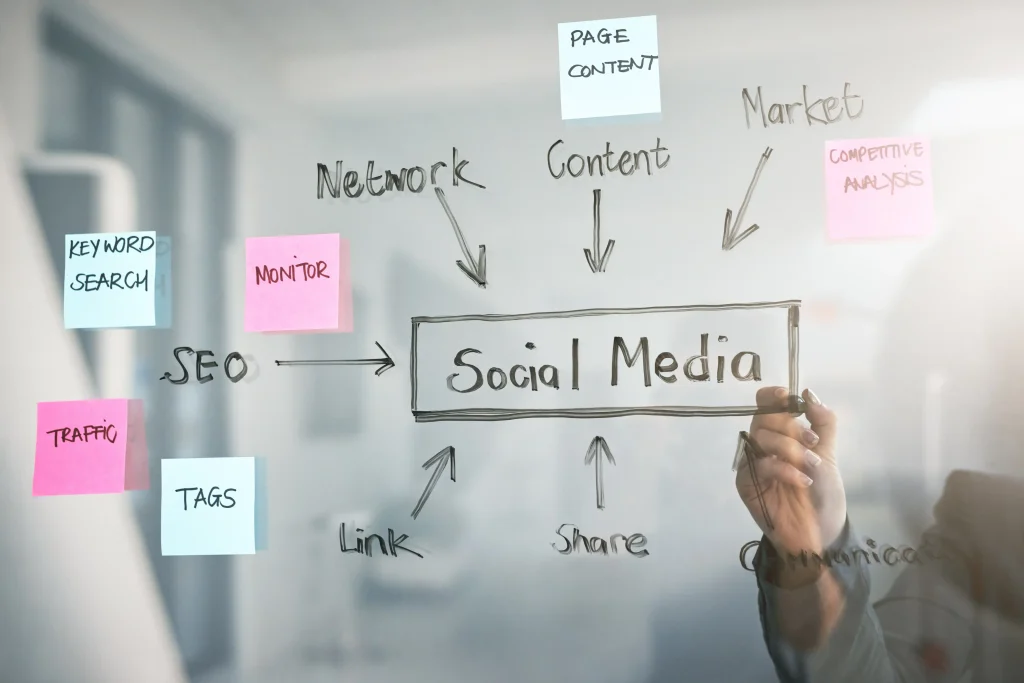
To maximize the impact of your chatbot, integrate it with other marketing channels. For example, connect your chatbot to your email marketing system to capture new leads or send personalized offers. You can also integrate the chatbot with your social media platforms, enabling you to engage with customers on Facebook, Instagram, or Twitter. This integration ensures that your chatbot is part of a unified marketing strategy.
Step 6: Monitor and Optimize Performance:
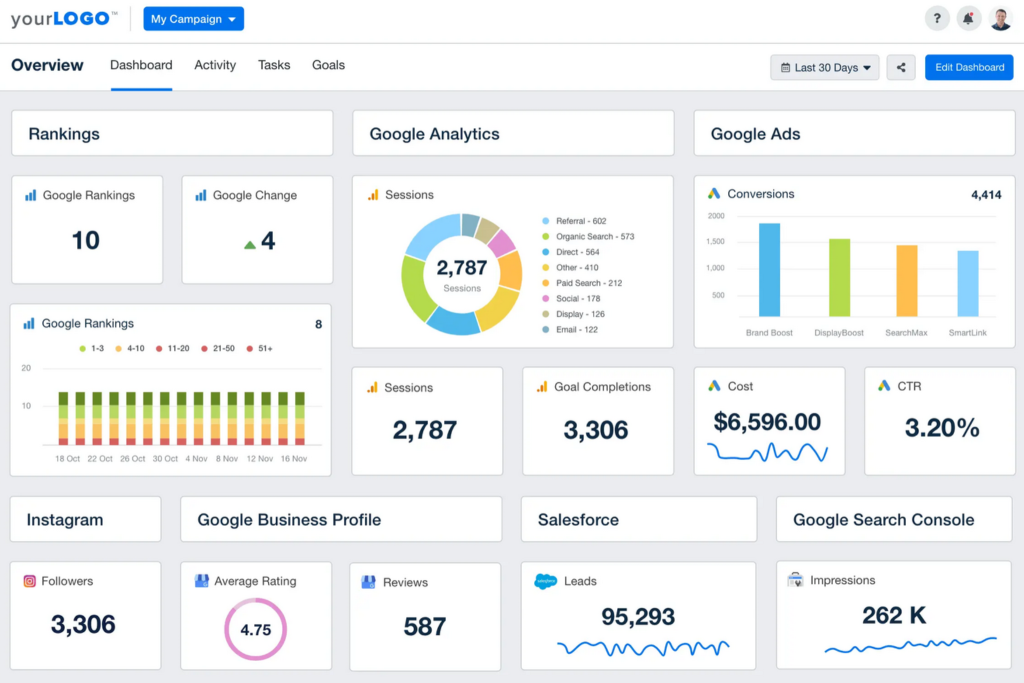
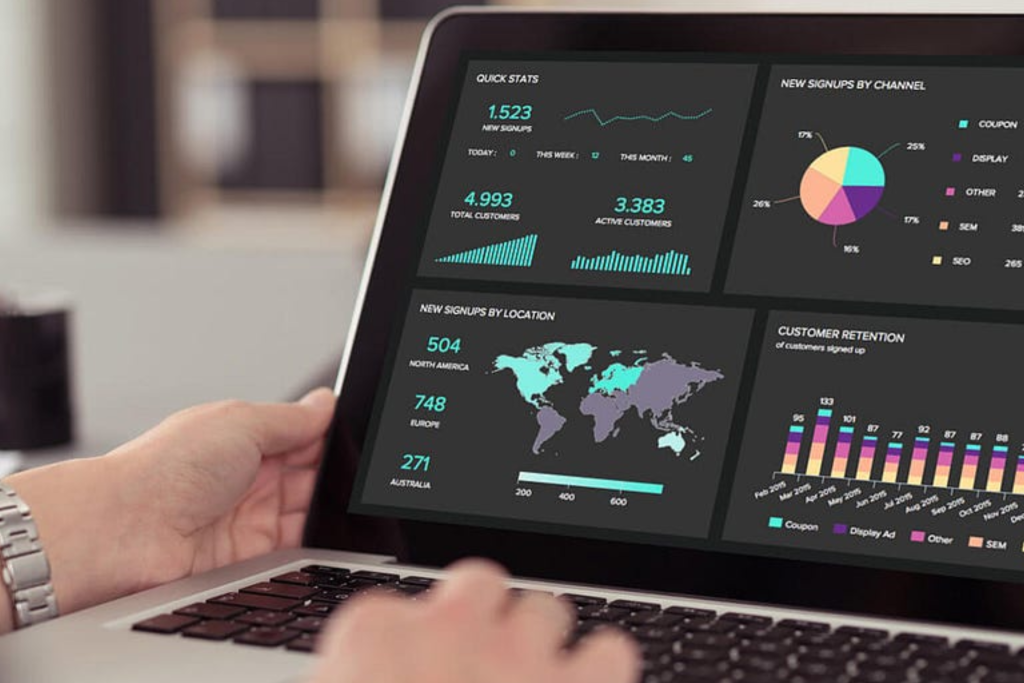
Once your chatbot is live, regularly monitor its performance to ensure it’s meeting your goals. Track metrics such as user engagement, conversion rates, and customer satisfaction. Use this data to optimize your chatbot’s responses, improve its functionality, and refine your marketing strategy.
Integrating chatbots into your marketing strategy can help businesses enhance customer interactions, increase lead generation, and drive sales conversions. By following this step-by-step guide, you can leverage the power of chatbots to deliver exceptional customer experiences and improve your marketing efforts.