






















































































































On-Page vs. Off-Page SEO: A Complete Guide to Mastering Both:

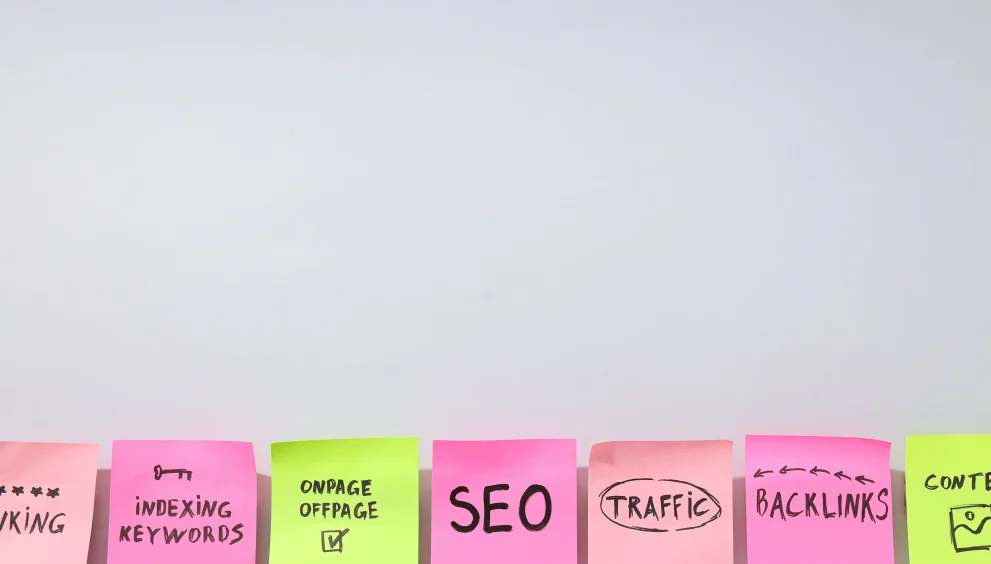
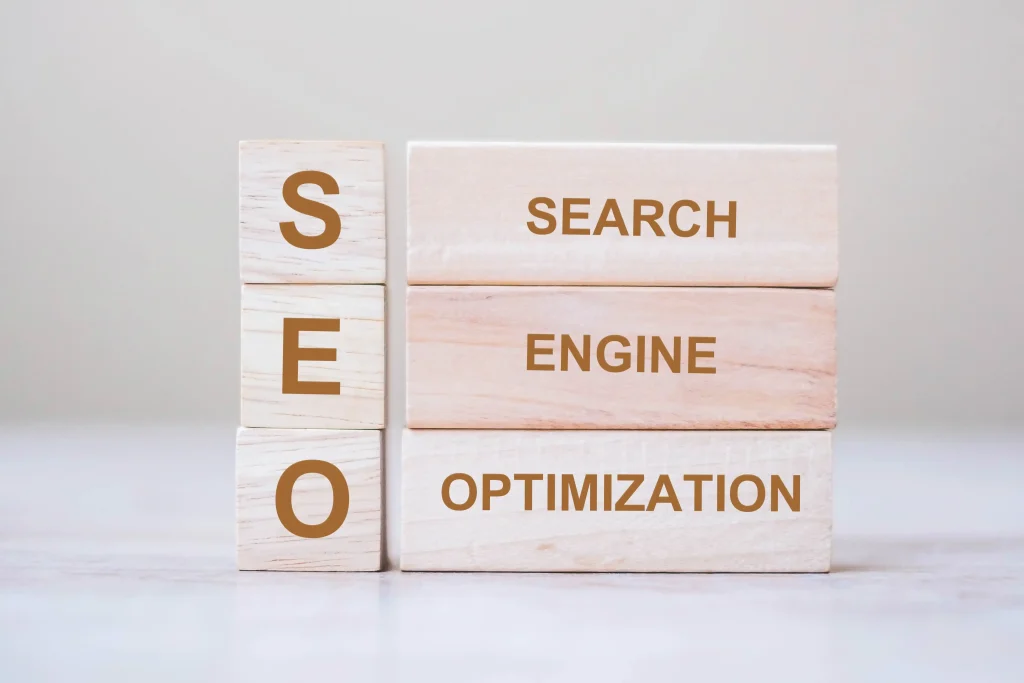
In the world of SEO, achieving high search engine rankings requires a combination of multiple strategies. Two essential categories of SEO are on-page SEO and off-page SEO. Understanding the difference between the two and knowing how to optimize both will help you enhance your website’s visibility, traffic, and ultimately, its conversion rates. This blog provides a complete guide to mastering on-page and off-page SEO.
What Is On-Page SEO?
On-page SEO refers to the optimization techniques you apply directly on your website to improve its search engine rankings. These strategies focus on the content and structure of individual pages, ensuring that search engines can easily crawl and index your site.
Key Elements of On-Page SEO:
-
Title Tags: The title tag is one of the most important on-page SEO elements. It tells both search engines and users what the page is about. Ensure your title tags are descriptive, concise (under 60 characters), and include your target keyword.
-
Meta Descriptions: The meta description appears below the title in search engine results and should entice users to click on your link. While it doesn’t directly impact rankings, it plays a key role in improving click-through rates. Keep your meta descriptions under 160 characters and incorporate keywords.
-
Header Tags (H1, H2, H3): Header tags help structure your content and make it easier to read. The H1 tag is typically used for the main title, and H2 and H3 tags are used for subheadings. Ensure your target keywords are naturally included in these headings.
-
Keyword Optimization: Ensure that your content is optimized for the target keyword and related terms. Use keywords in your content’s body, headings, and image alt text. Avoid keyword stuffing, and focus on providing valuable content for your readers.
-
Internal Linking: Internal links connect your website’s pages and allow users and search engines to navigate easily. They also help distribute link equity across your site, improving rankings for other pages.
-
Image Optimization: Optimize your images by reducing file sizes for faster load times and using descriptive, keyword-rich file names and alt text. This not only improves user experience but also helps you rank in image search results.
-
Mobile Friendliness: With Google’s mobile-first indexing, ensuring your website is mobile-friendly is crucial. Use responsive design to ensure your site adapts to different screen sizes and provides a seamless experience for mobile users.
-
Page Speed: A fast-loading website is essential for a positive user experience and SEO. Use tools like Google PageSpeed Insights to identify and fix speed issues.
What Is Off-Page SEO?
Off-page SEO refers to actions taken outside of your website to improve its search engine rankings. While on-page SEO focuses on optimizing the elements on your site, off-page SEO is about building your website’s reputation and authority in the eyes of search engines.
Key Elements of Off-Page SEO:
-
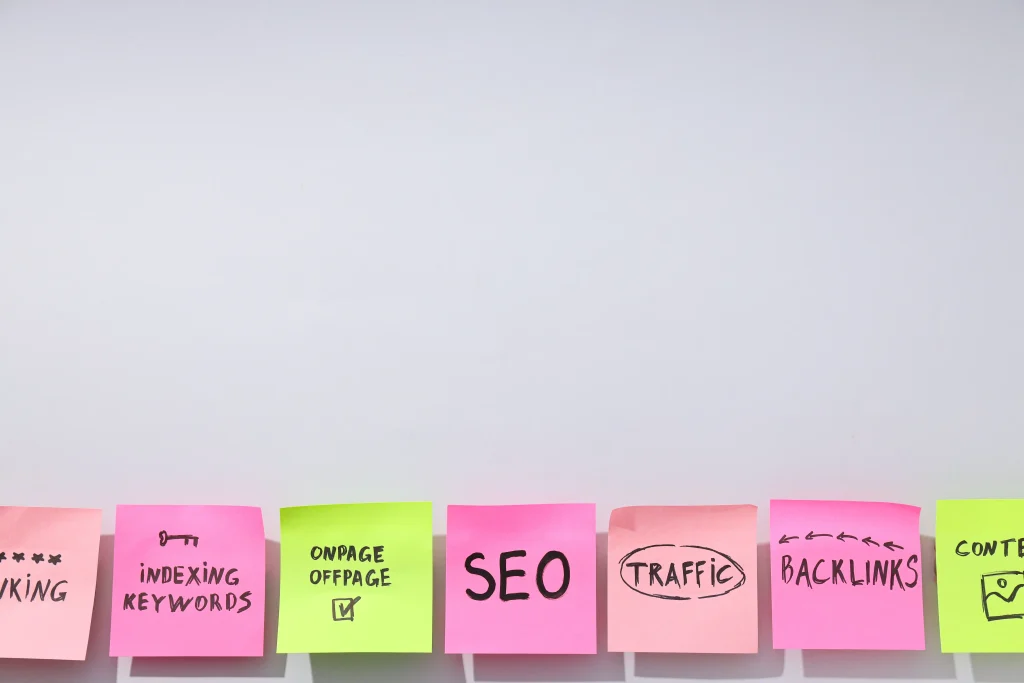
Backlinks: Backlinks are one of the most important factors in off-page SEO. A backlink is a link from another website pointing to your site. High-quality, relevant backlinks from authoritative sites help boost your site’s credibility and ranking. Focus on earning backlinks through guest posts, influencer outreach, content marketing, and more.
-
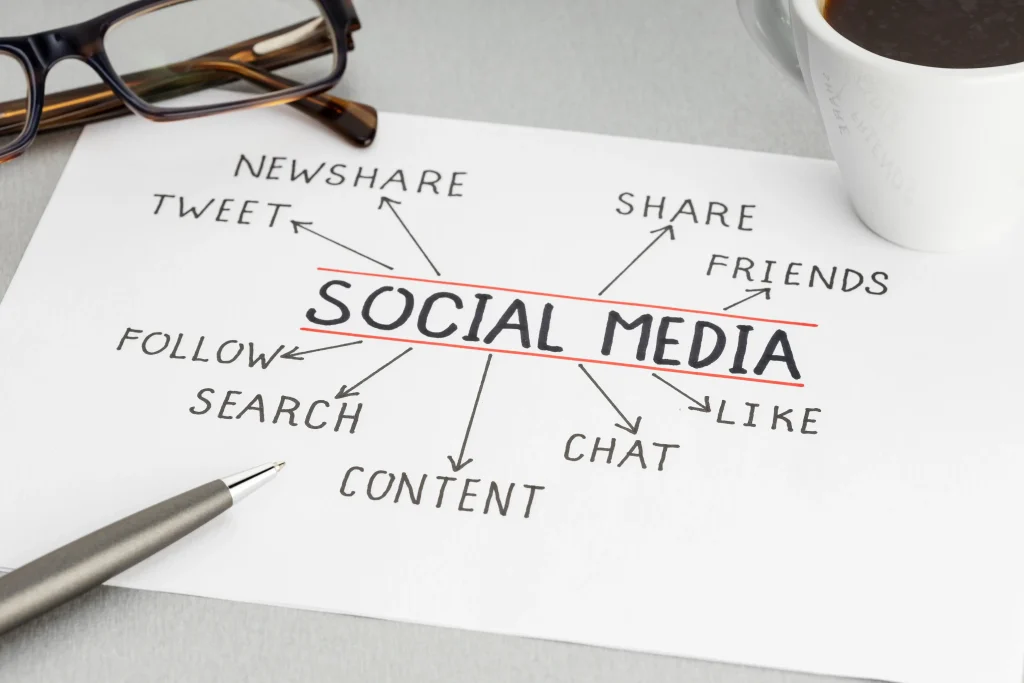
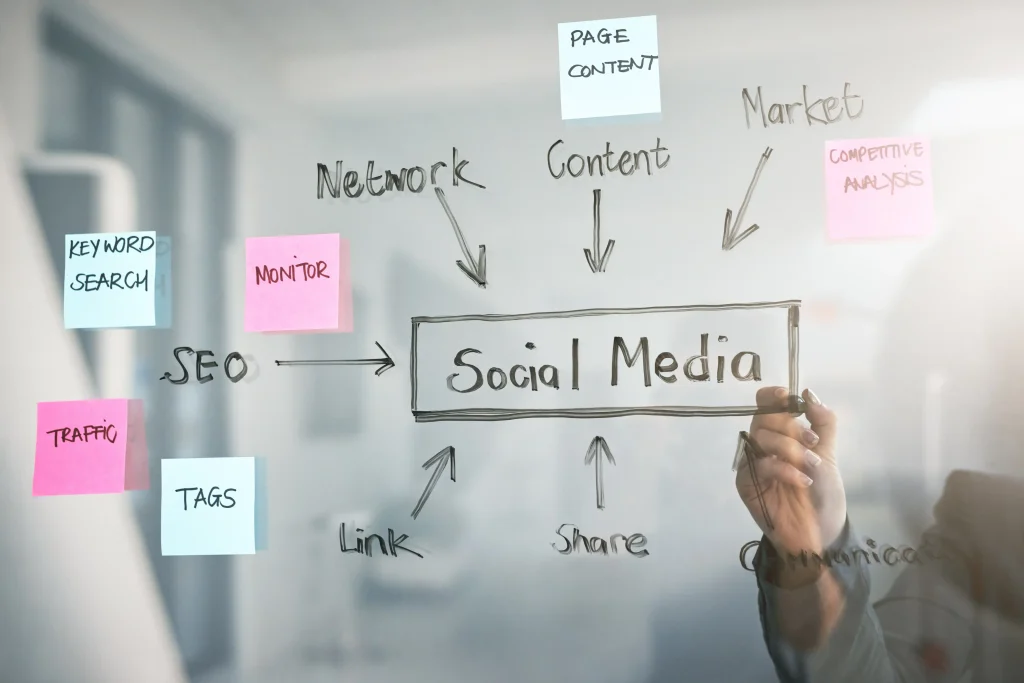
Social Media Signals: Social media activity can indirectly influence search rankings. While social signals are not a direct ranking factor, social media can drive traffic to your website and increase visibility, which can lead to more backlinks.
-
Brand Mentions: Brand mentions, even without a link, are signals to search engines that your website is trustworthy and authoritative. Encourage online discussions, reviews, and mentions on social platforms and forums.
-
Guest Blogging: Writing guest posts for authoritative websites in your industry allows you to build backlinks and exposure. Ensure that your content adds value to the host website’s audience.
-
Local SEO: For businesses targeting local customers, optimizing for local search is critical. Claim your Google My Business listing, optimize your website for location-based keywords, and encourage customers to leave reviews.
-
Influencer Marketing: Collaborating with influencers can help increase brand awareness and drive traffic to your site. Influencers often have large followings, and their endorsement can lead to valuable backlinks and social media mentions.
On-Page vs. Off-Page SEO: Key Differences:
-
Focus: On-page SEO focuses on improving the content and structure of your website, while off-page SEO focuses on building your site’s authority through external factors.
-
Control: You have full control over on-page SEO (content, titles, structure), but off-page SEO relies on external factors such as backlinks and social media signals, which are harder to control.
-
Direct Impact: On-page SEO directly impacts your website’s rankings, whereas off-page SEO has an indirect impact by boosting your site’s credibility.
Mastering Both On-Page and Off-Page SEO:
To achieve the best SEO results, you need to combine on-page and off-page SEO strategies. On-page SEO ensures that your website is well-optimized for search engines, while off-page SEO helps you build credibility and authority.
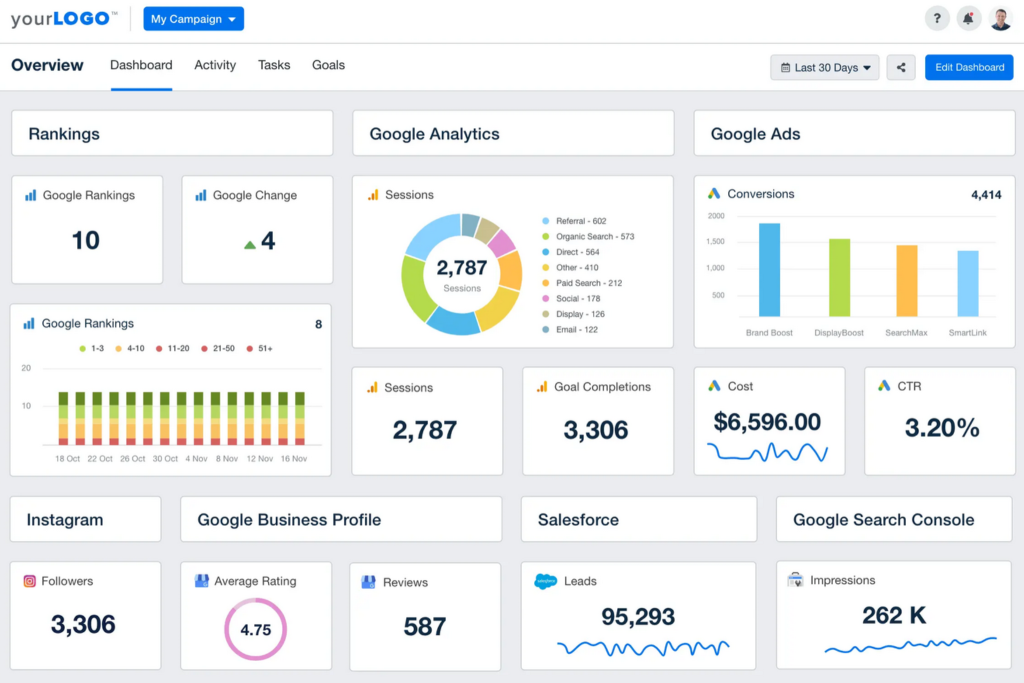
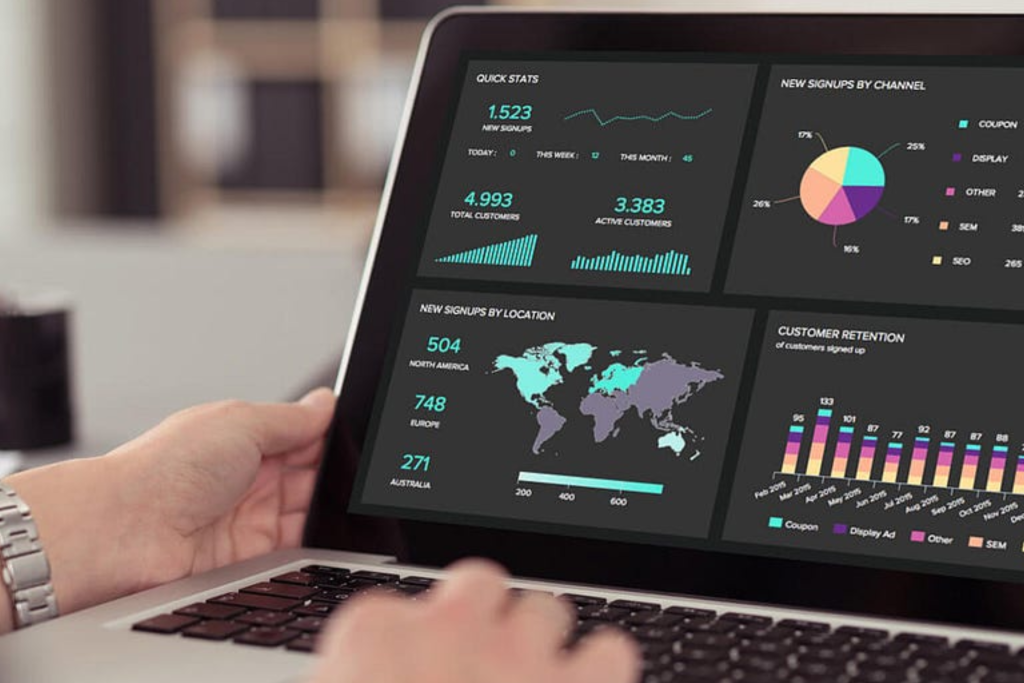
Regularly monitor your SEO performance using tools like Google Analytics, Google Search Console, and SEMrush. Conduct SEO audits to identify areas for improvement and ensure that both on-page and off-page factors are working in harmony to boost your rankings.
Conclusion:
Mastering both on-page and off-page SEO is essential for long-term success in the digital world. While on-page SEO optimizes your website for better visibility and user experience, off-page SEO enhances your website’s authority and reputation. By focusing on both aspects, you’ll increase your chances of ranking higher, driving more traffic, and generating leads.