






























































































































How to Optimize Your PPC Ads for Better Conversions:

Pay-per-click (PPC) advertising is one of the most effective ways to drive targeted traffic to your website and generate conversions. However, just setting up a PPC campaign is not enough to guarantee success. To get the best return on investment (ROI), you need to optimize your ads and continually refine your strategy. This blog will explore key strategies for optimizing your PPC ads to improve conversions and maximize your ad spend.
1. Focus on High-Quality Keywords:
The foundation of any successful PPC campaign is selecting the right keywords. High-quality keywords should align with the user’s search intent and your business offerings. Instead of bidding on generic terms, focus on long-tail keywords that are more specific to your products or services. These keywords typically have lower competition and higher conversion rates because they capture more targeted traffic.
To further refine your keyword strategy, use negative keywords to filter out irrelevant traffic. For example, if you sell premium running shoes, you can exclude keywords like “cheap running shoes” or “free shoes.”
2. Optimize Ad Copy for Relevance:
Your ad copy plays a crucial role in convincing users to click and convert. To optimize your PPC ads, ensure that the ad copy is relevant to the search query and aligns with the user’s intent. Here are a few tips for crafting compelling ad copy:
-
Include Your Target Keyword: Make sure your target keyword is included in the ad copy. This will improve relevancy and help your ad stand out.
-
Create a Strong Call to Action (CTA): Use actionable language in your CTA to encourage users to take the next step. Examples include “Shop Now,” “Get a Free Quote,” or “Learn More.”
-
Highlight Unique Selling Points (USPs): What makes your product or service stand out? Whether it’s a discount, free shipping, or a unique feature, make sure your ad copy highlights your USPs.
-
Use Ad Extensions: Take advantage of ad extensions to provide additional information, such as phone numbers, site links, or location details. These extensions improve visibility and provide users with more reasons to click on your ad.
3. Test and Refine Landing Pages:
Your landing page plays a significant role in determining the success of your PPC campaign. Ensure that your landing pages are optimized for conversions. Here are some tips for optimizing landing pages:
-
Align the Landing Page with Ad Copy: When users click on your ad, they should land on a page that matches the promise made in the ad. If your ad mentions a sale on running shoes, the landing page should feature a selection of running shoes with clear pricing and offers.
-
Keep the Form Short and Simple: If you’re using a form to capture leads, keep it simple. Only ask for essential information to avoid frustrating visitors.
-
Clear Call-to-Action: Make your CTA prominent and clear on the landing page. Whether it’s “Buy Now” or “Get Started,” the CTA should be easy to find and act upon.
-
Mobile Optimization: Ensure that your landing page is optimized for mobile users. A significant portion of PPC traffic comes from mobile devices, so your landing page must be responsive.
4. Implement A/B Testing:
A/B testing is one of the most effective ways to optimize your PPC ads for better conversions. By testing different elements of your ads and landing pages, you can determine which version performs better and make data-driven decisions.
Test the following elements:
-
Ad Copy: Try different versions of your ad copy to see which resonates best with your audience.
-
CTA Buttons: Test different CTA phrases to see which encourages the most clicks.
-
Landing Page Layout: Experiment with different landing page designs, copy, and CTAs to see which layout leads to higher conversions.
5. Optimize for Quality Score:
Google Ads uses a metric called Quality Score to determine the relevance of your keywords, ads, and landing pages. The higher your Quality Score, the less you’ll pay per click and the higher your ad will rank. To optimize your Quality Score:
-
Ensure Relevance Between Keywords and Ad Copy: Your keywords and ad copy should be closely related. If someone is searching for “buy running shoes,” they should see an ad for running shoes, not other types of shoes.
-
Improve Landing Page Experience: A good landing page experience is essential for maintaining a high Quality Score. Ensure that the page loads quickly, is mobile-friendly, and provides a seamless experience.
-
Improve CTR: The more clicks your ad gets, the higher your Quality Score will be. Craft compelling ads and use relevant keywords to encourage clicks.
6. Monitor and Adjust Bids:
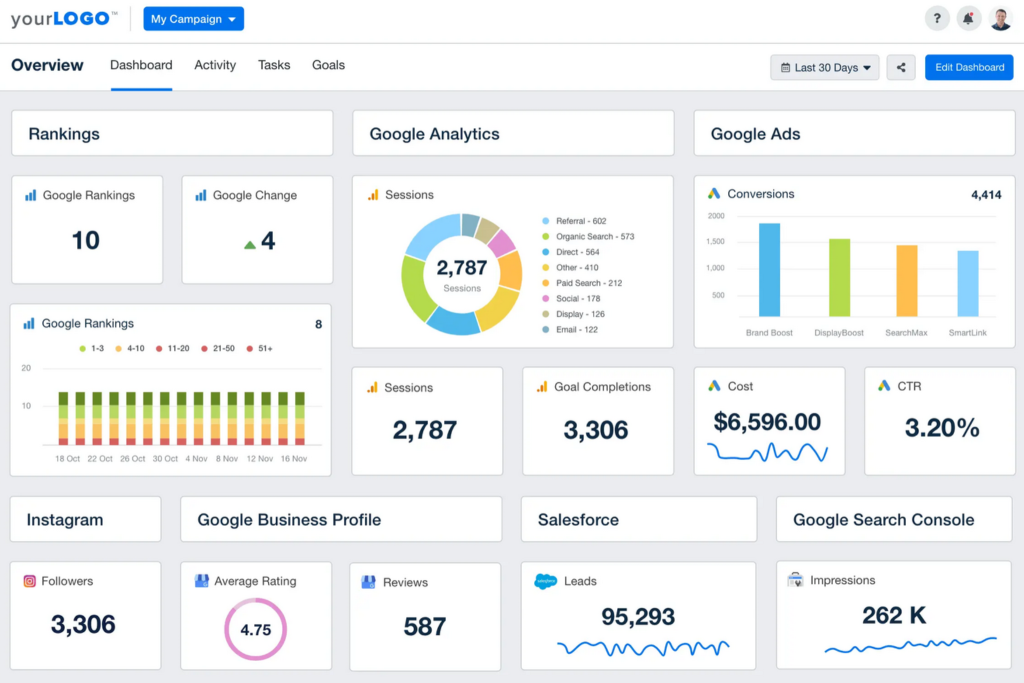
Finally, continually monitor your PPC campaign’s performance and adjust your bids accordingly. Use tools like Google Ads and Bing Ads to track the performance of your keywords, ads, and landing pages. If certain keywords or ads are performing well, consider increasing your bid to gain more exposure. If others are underperforming, reduce your bids or pause the campaign to allocate budget elsewhere.
Conclusion:
Optimizing your PPC ads for better conversions requires ongoing testing, refinement, and data-driven decision-making. By focusing on high-quality keywords, crafting compelling ad copy, optimizing landing pages, testing different elements, and monitoring your campaign’s performance, you can improve your PPC ROI and drive better results for your business.