
















































































































































Understanding Marketing Analytics: Key Metrics Every Marketer Should Track:


Marketing analytics play a crucial role in helping businesses measure the effectiveness of their campaigns, optimize strategies, and achieve their marketing goals. By tracking key performance indicators (KPIs), marketers can make data-driven decisions that improve customer engagement, conversions, and return on investment (ROI). Here are the key metrics every marketer should track.
1. Website Traffic:
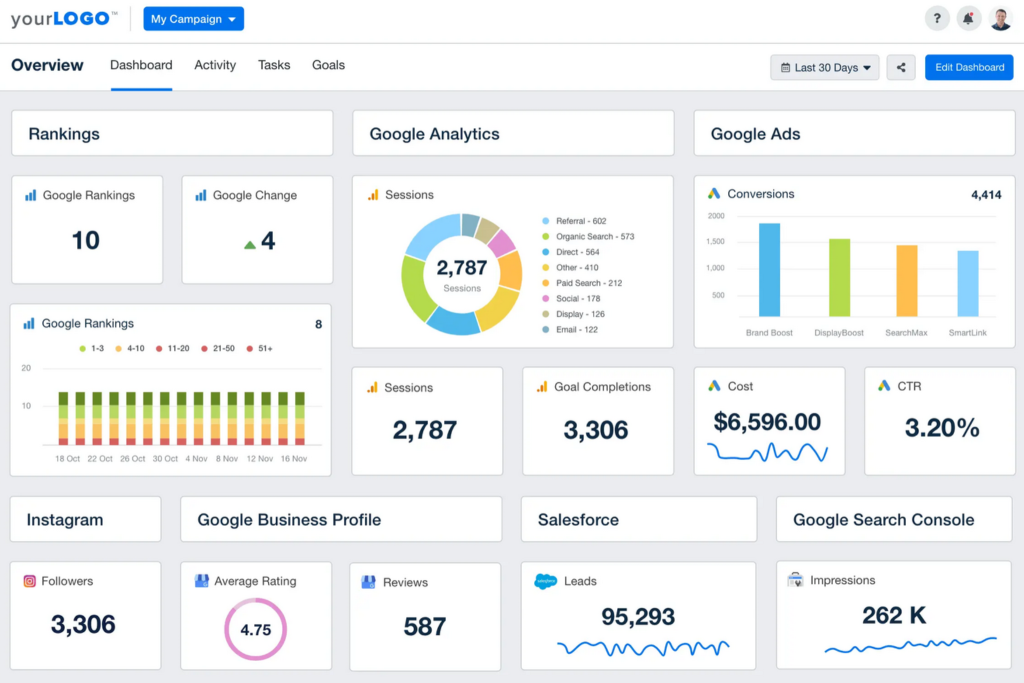
Tracking website traffic is one of the most fundamental metrics to gauge the overall reach of your marketing efforts. It provides insight into how many visitors are coming to your site, where they’re coming from (organic search, paid ads, social media, etc.), and how long they stay. Analyzing this data helps you understand whether your content and campaigns are attracting the right audience.
2. Conversion Rate:
The conversion rate measures the percentage of visitors who take a desired action on your website, such as making a purchase, signing up for a newsletter, or filling out a contact form. This metric helps you understand how effective your website and campaigns are at turning visitors into customers. A high conversion rate indicates that your messaging and user experience are on point.
3. Customer Acquisition Cost (CAC):
Customer Acquisition Cost (CAC) is the total cost of acquiring a new customer, including expenses related to marketing campaigns, advertising, sales team salaries, and promotional activities. Tracking CAC helps businesses determine if their marketing strategies are cost-effective. By optimizing CAC, businesses can increase profitability and scale marketing efforts more efficiently.
4. Return on Investment (ROI):
ROI is one of the most important metrics for evaluating the success of marketing campaigns. It measures the financial return generated from your marketing investment. A positive ROI indicates that your marketing efforts are profitable, while a negative ROI suggests that changes are needed. Tracking ROI helps marketers assess the effectiveness of their campaigns and prioritize high-performing strategies.
5. Engagement Rate:
Engagement rate refers to how actively people are interacting with your content on social media, emails, or your website. This can include likes, shares, comments, retweets, or email opens and clicks. A high engagement rate indicates that your audience finds your content valuable, and it’s a strong signal that you’re connecting with your target market.
6. Bounce Rate:
The bounce rate measures the percentage of visitors who land on your website and leave without interacting with other pages. A high bounce rate could indicate that your landing pages aren’t engaging or relevant to visitors. By monitoring this metric, marketers can adjust page design, content, and calls to action to improve user retention.
By keeping track of these key metrics, marketers can ensure their strategies are delivering the desired outcomes, enabling them to make adjustments and improve their overall performance.