















































































































































How UX/UI Design Impacts Your Marketing Strategy: Key Insights:


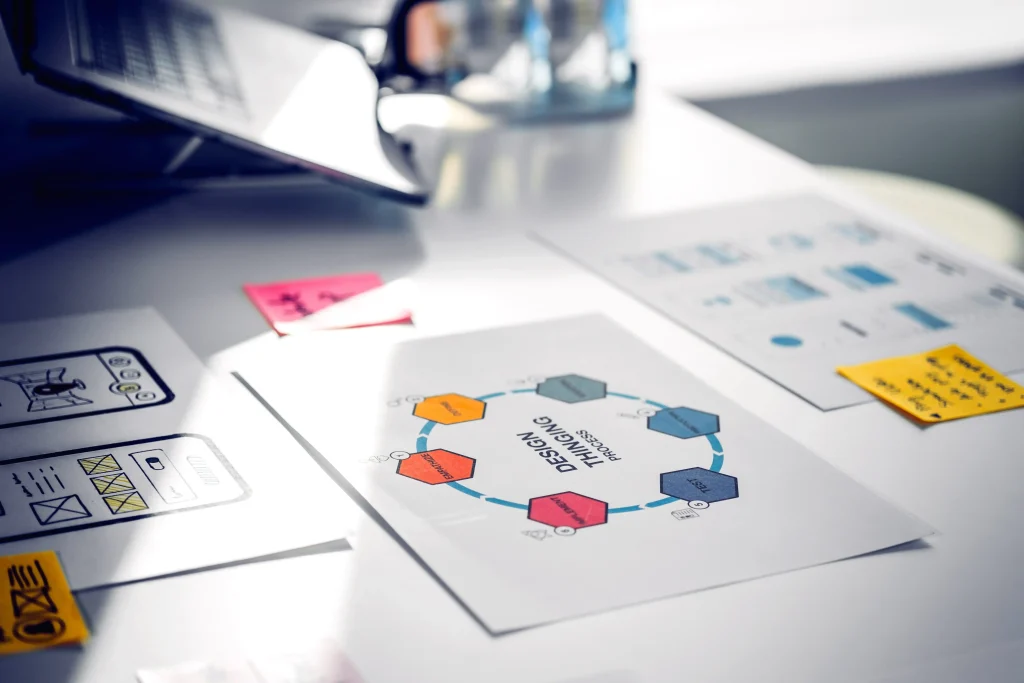
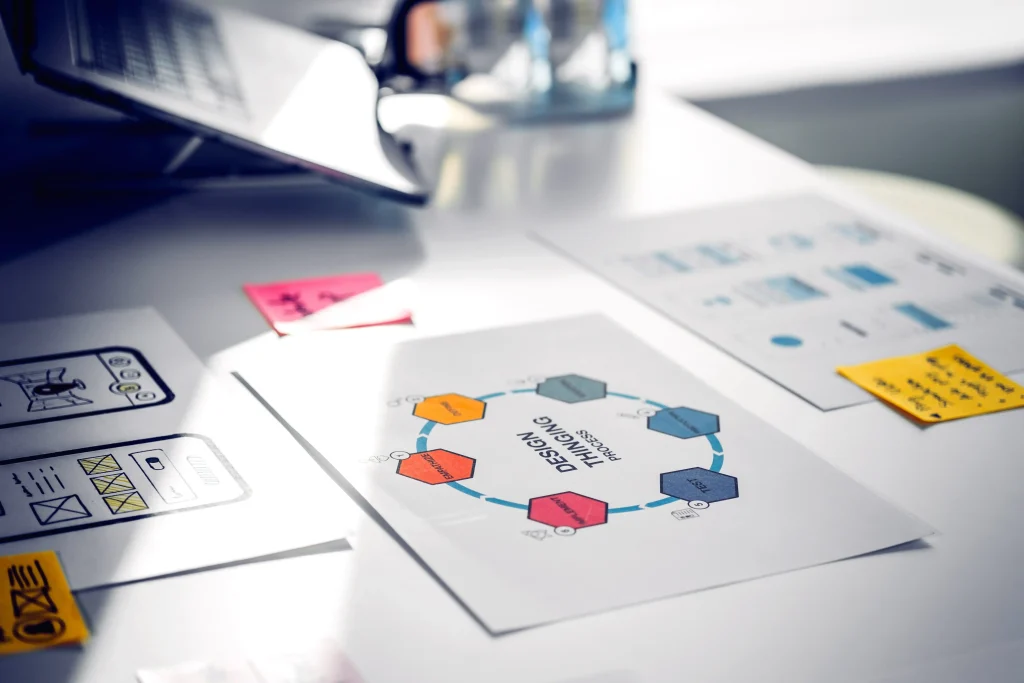
In today’s digital-first landscape, marketing success is no longer driven solely by messaging, advertising spend, or content volume. User Experience (UX) and User Interface (UI) design play a critical role in shaping how users perceive, interact with, and ultimately convert through your marketing efforts. A strong UX/UI design doesn’t just make a website look good—it directly influences engagement, trust, conversion rates, and brand loyalty.
This blog explores how UX/UI design impacts your overall marketing strategy and why aligning design with marketing goals is essential for sustainable growth.
Understanding the Relationship Between UX/UI and Marketing:
Marketing is about influencing behavior—getting users to click, explore, sign up, or purchase. UX focuses on how users experience those interactions, while UI focuses on how those experiences are visually presented. When UX/UI design is poorly executed, even the strongest marketing campaigns can fail.
For example, driving high-quality traffic through paid ads or SEO means little if users land on a confusing, slow, or visually cluttered website. In contrast, a well-designed interface combined with an intuitive user journey can amplify the effectiveness of every marketing channel.
First Impressions Shape Brand Perception:
UX/UI design is often the first interaction a potential customer has with your brand. Research consistently shows that users form opinions about a website within seconds. Visual consistency, clean layouts, readable typography, and intuitive navigation immediately communicate professionalism and credibility.
From a marketing perspective, this first impression influences brand trust. If users perceive your website as outdated or difficult to use, they are far less likely to engage with your messaging, no matter how compelling it may be. Strong UI design reinforces your brand identity, while UX ensures that users feel confident and comfortable navigating your digital assets.
UX/UI Improves Engagement and Reduces Bounce Rates:
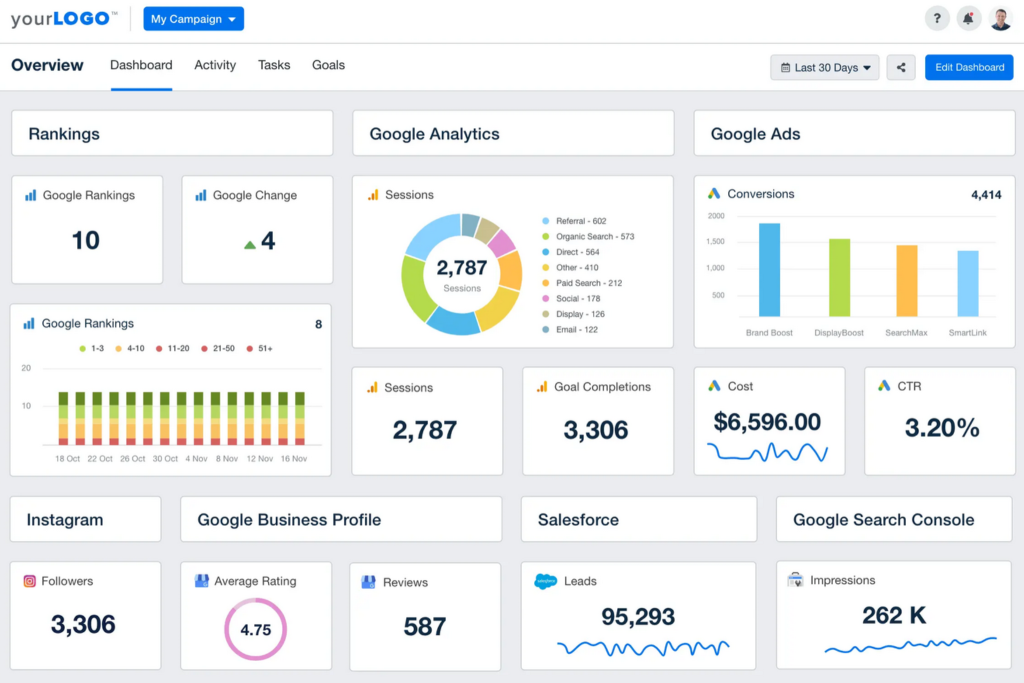
One of the key metrics marketers track is engagement—time on site, pages per session, and interaction depth. UX/UI design directly affects these metrics.
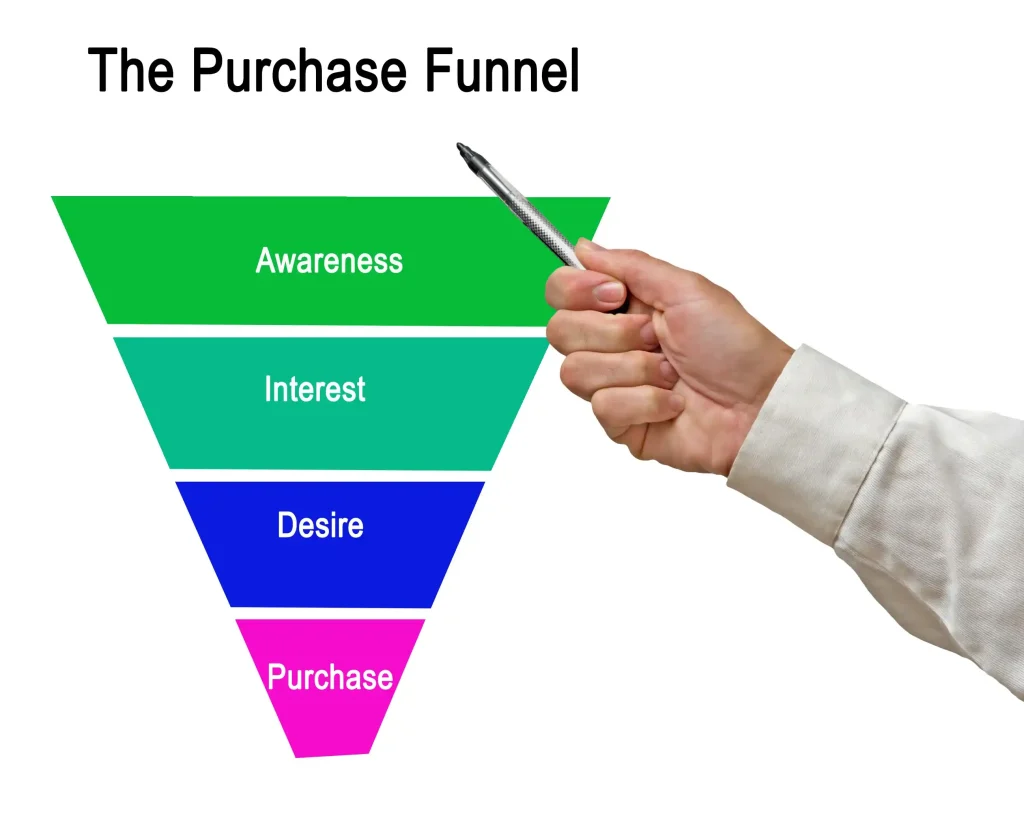
Clear navigation, logical page structure, fast load times, and responsive design keep users engaged longer. When users can easily find what they are looking for, they are more likely to explore additional content, read blog posts, or move further down the marketing funnel.
Conversely, poor UX—such as broken layouts, slow pages, or unclear calls to action—leads to higher bounce rates, negatively impacting SEO performance and paid campaign ROI.
Design Supports Conversion-Focused Marketing:
Every marketing strategy ultimately aims to convert users, whether that means generating leads, driving sign-ups, or completing purchases. UX/UI design is a powerful conversion optimization tool.
Effective UX design removes friction from the user journey. Clear calls to action, simplified forms, intuitive checkout flows, and logical content hierarchy guide users toward conversion without confusion. UI elements such as button color, spacing, contrast, and visual cues subtly influence user decisions and behaviors.
When UX/UI is aligned with marketing objectives, conversion paths become clearer and more persuasive, increasing overall conversion rates without increasing ad spend.
Mobile UX/UI Is Essential for Modern Marketing:
With the majority of users accessing websites via mobile devices, mobile UX/UI design is no longer optional. Marketing campaigns that drive traffic to non-optimized mobile experiences lose potential conversions instantly.
Responsive design, mobile-friendly navigation, touch-optimized buttons, and fast mobile load times ensure that your marketing efforts perform consistently across devices. A seamless mobile experience also improves SEO rankings and supports social media marketing, where most traffic is mobile-first.
UX/UI Enhances Content Marketing Performance:
Content marketing relies heavily on user experience. Blog readability, content layout, typography, spacing, and visual hierarchy determine whether users consume or abandon content.
UX/UI design helps highlight key messages, guide readers through long-form content, and encourage deeper engagement through internal links and CTAs. Well-designed content pages increase dwell time, reduce bounce rates, and improve content-driven lead generation.
From a marketing perspective, strong UX/UI design ensures that your content works harder and delivers measurable results.
Data-Driven UX/UI Improves Marketing Decisions:
Modern UX/UI design is closely tied to analytics and user behavior data. Heatmaps, session recordings, and funnel analysis reveal how users interact with your marketing assets.
Marketers can use these insights to refine landing pages, adjust messaging placement, improve CTA performance, and optimize user flows. UX/UI becomes a feedback loop that continuously enhances marketing strategy based on real user behavior rather than assumptions.
Consistency Across Channels Builds Brand Trust:
Marketing campaigns span multiple touchpoints—websites, landing pages, emails, ads, and social media. UX/UI consistency across these channels reinforces brand recognition and trust.
When users experience consistent visual design, tone, and interaction patterns across all platforms, it strengthens brand recall and credibility. This consistency makes marketing campaigns feel cohesive rather than fragmented.
Conclusion:
UX/UI design is not just a design concern—it is a core component of effective marketing strategy. From improving engagement and conversions to strengthening brand perception and campaign performance, UX/UI influences nearly every marketing outcome.
Brands that align UX/UI design with marketing goals gain a competitive advantage by delivering seamless, intuitive, and persuasive user experiences. In a crowded digital marketplace, great design isn’t just an aesthetic choice—it’s a strategic necessity.