





















































































































































Understanding User Behavior: Key Metrics Every Marketer Should Track:


Understanding user behavior starts with tracking the right metrics. These insights help marketers evaluate engagement, identify obstacles, and optimize the customer journey for better results.
One of the most important metrics is bounce rate, which shows how many users leave after viewing only one page. A high bounce rate may indicate irrelevant content, slow loading speed, or poor design. Session duration and pages per session provide insight into how engaging your website is and whether users find value in your content.
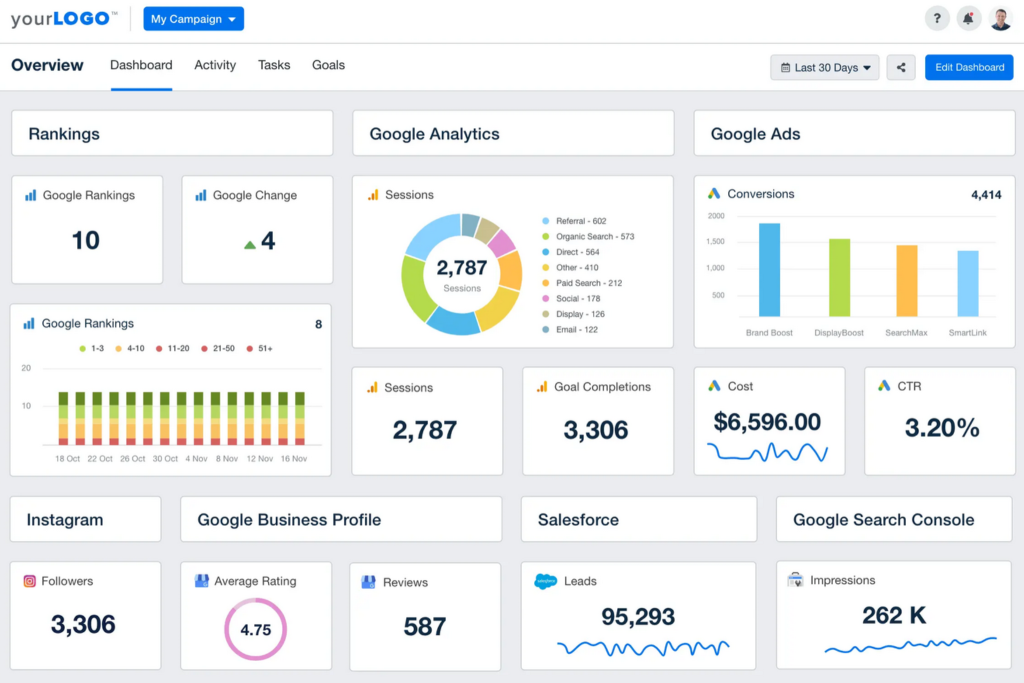
Click-through rate (CTR) and scroll depth help measure how users interact with page elements. If users don’t scroll far or click CTAs, your layout or messaging may need improvement. Tools like Hotjar, Microsoft Clarity, and Crazy Egg provide visual insights into these behaviors.
Conversion-related metrics are equally critical. Track form submissions, purchases, downloads, and sign-ups to understand what drives results. Combine this data with Google Analytics 4 and CRM tools like HubSpot or Salesforce to see how behavior translates into revenue.
Segmenting metrics by audience type, device, and traffic source provides deeper insights. For example, social media users may engage differently than organic search visitors. These insights help tailor content and campaigns more effectively.
Tracking the right user behavior metrics allows marketers to move beyond surface-level analytics. With consistent monitoring and interpretation, businesses can create data-backed strategies that improve engagement, conversions, and overall marketing effectiveness.